


Your Cart is Empty

Tick Nipper - Tick Tweezers
$7.95
The Tick Nipper®’s jaws are thinner than the tips of tweezers so they slide under the tick’s body without squeezing it. Then the big stops between the handles keep you from cutting the tick as you grip it. The jaws are nearly an inch long, giving...
-
The Tick Nipper®’s jaws are thinner than the tips of tweezers so they slide under the tick’s body without squeezing it. Then the big stops between the handles keep you from cutting the tick as you grip it. The jaws are nearly an inch long, giving you control you can't get with tweezers or fingers. The Tick Nipper® doesn’t ‘grab’ the tick. Instead, its jaws ‘yoke’ loosely around the tick's narrow mouthparts. When you pull the tick out, those jaws exert pressure on the tick’s shoulders and pop it out.
The Tick Nipper®’s bowl-shaped jaws cradle the tick safely after liftoff. You need only one hand to use it, leaving your other hand free to tend the wound or comfort the victim.
Read an LCS Staff Review - Tick Nipper Review -


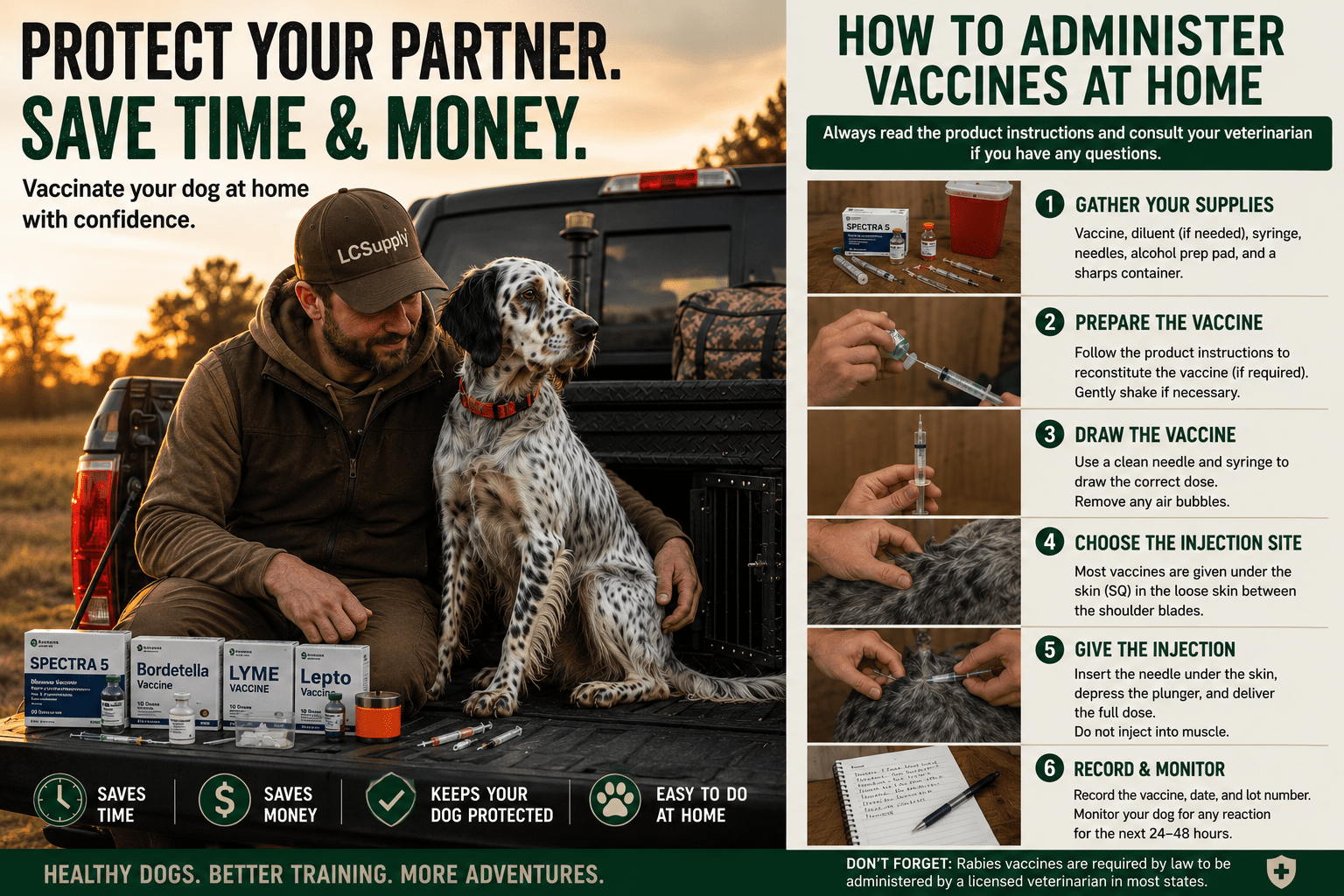

Vaccinating Your Hunting Dog at Home: A Simple Guide from Puppy to Adult
Keeping your hunting dog healthy is one of the most important investments you can make in their future. Whether you're raising a new puppy, preparing for hunt tests, or maintaining an experienced bird dog, staying current on vaccinations helps protect your dog from preventable diseases and keeps them ready for training, travel, and hunting season.
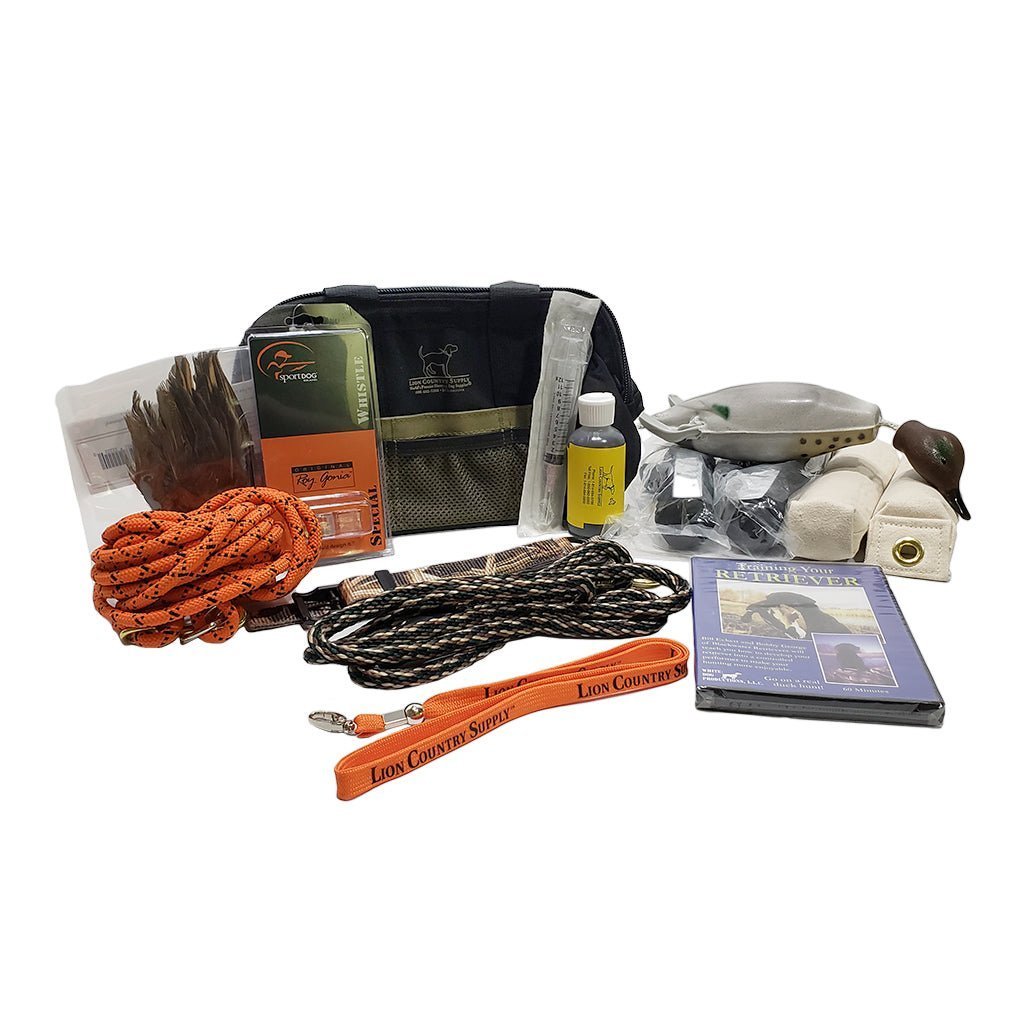

Bird Dog Training for Beginners
You have decided to train your bird dog. Fantastic! Here are some tips for beginners. Puppies! It's easy to fall in love with a pretty face. However, when training a bird dog, it makes good sense to start off with the appropriate puppy. Decide, before you even start, if you want a pointer or a retriever. Starting young...
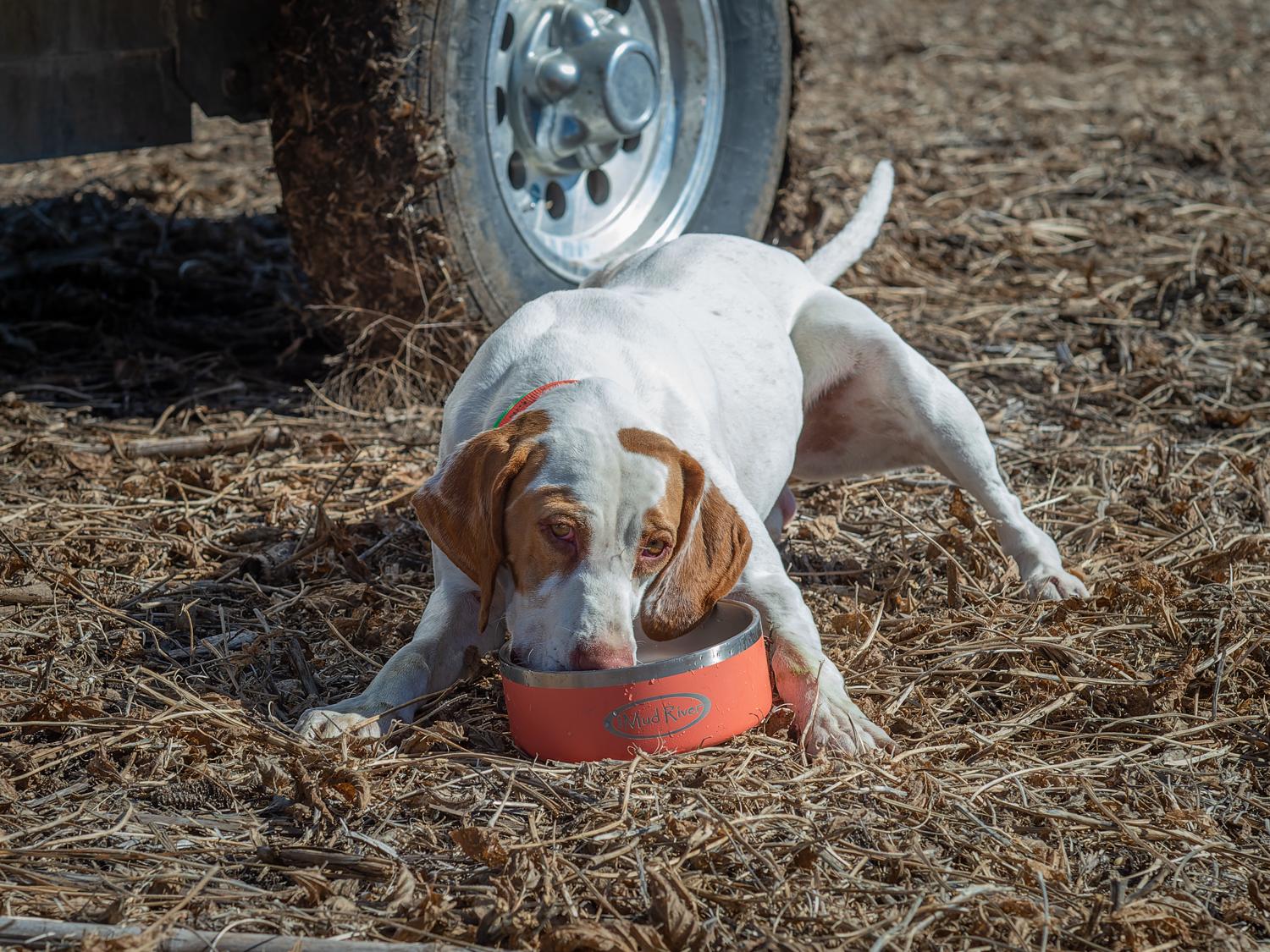

How to Keep Your Hunting Dog Safe in Warm Weather (And What to Pack in the Field)
Warm-weather hunts can be some of the best days in the field—but they also come with real risks for your dog. Unlike us, dogs don’t sweat to regulate body temperature. They rely on panting, and when they’re running hard, that system can get overwhelmed fast.

