Your Cart is Empty


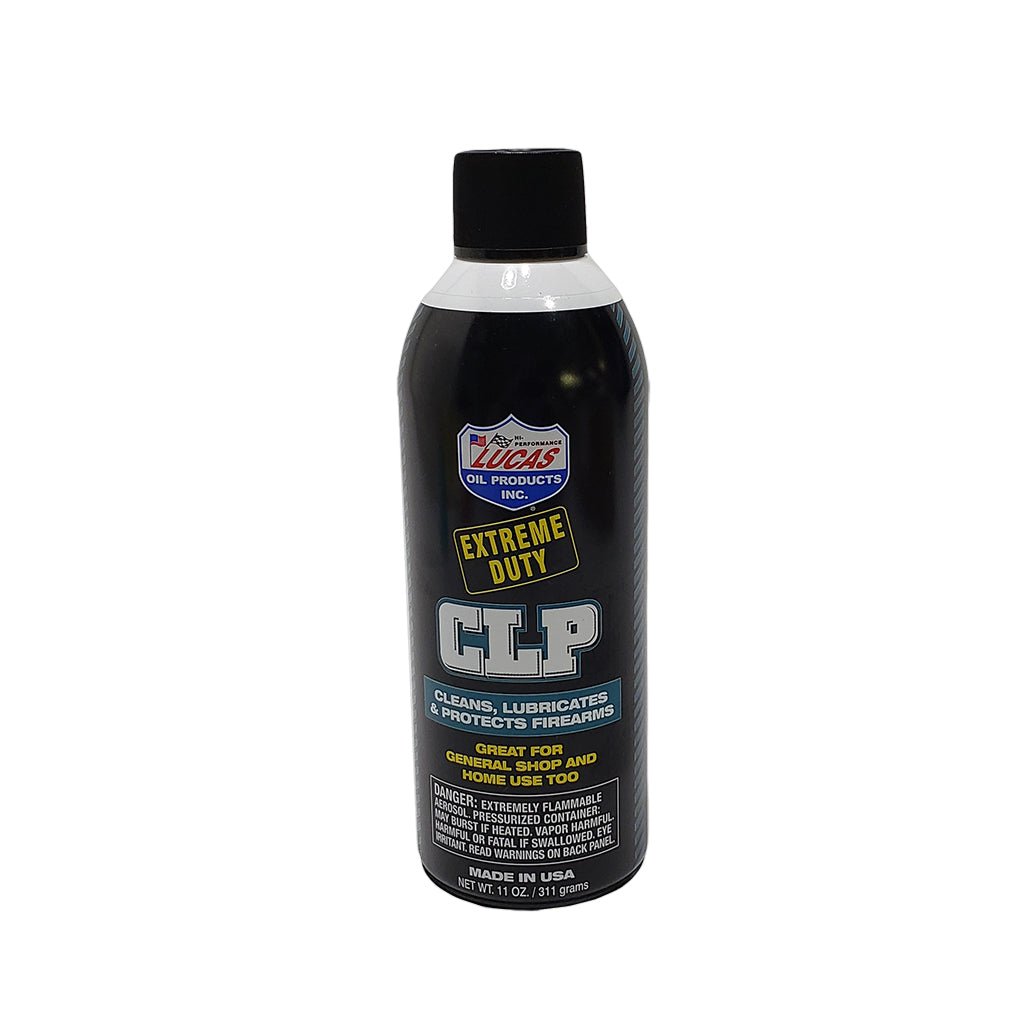

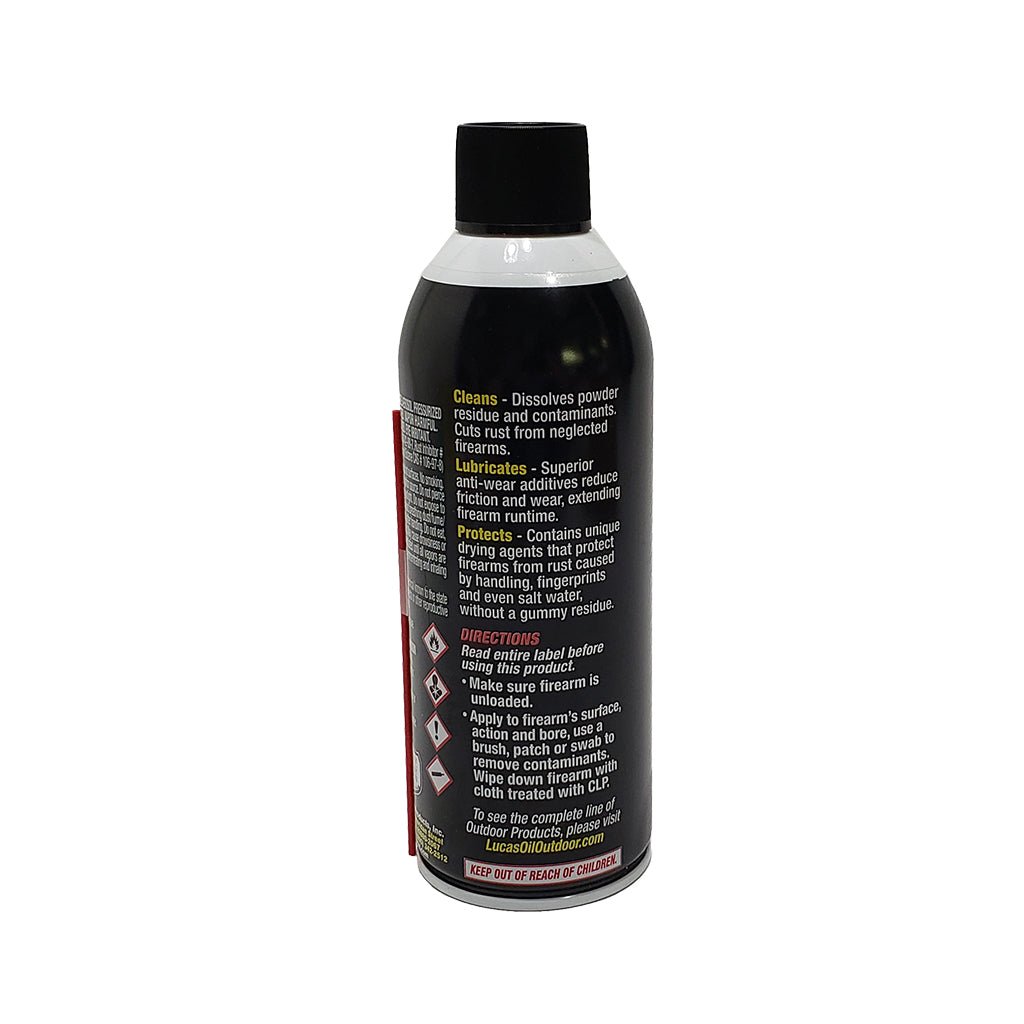

Lucas Oil Products Extreme Duty CLP
$12.49
Lucas Extreme Duty CLP
Used and recommended by major firearms manufacturers, Lucas Oil Extreme Duty CLP design is to clean, lubricate and protect your firearms in one simple step. It contains high-grade additives that dissolve powder residue, old lubrication, and other contaminants. It penetrates deep into rust to...
-
Lucas Extreme Duty CLP
Used and recommended by major firearms manufacturers, Lucas Oil Extreme Duty CLP design is to clean, lubricate and protect your firearms in one simple step. It contains high-grade additives that dissolve powder residue, old lubrication, and other contaminants. It penetrates deep into rust to help clean neglected firearms and free rusted parts and actions. Extreme Duty CLP's superior anti-wear additives reduce friction and wear while the unique waterproof, super slick film resists blowout and extends firearm life and runtime. The special formulation leaves behind a microscopic layer of protection against rust and corrosion caused by handling, fingerprints, moisture, and harsh environments, including saltwater. Used by major firearms manufacturers to coat and protect firearms prior to shipping, the solvent-based Extreme Duty CLP aerosol contains a unique drying agent that leaves your firearm clean and protected from rust and corrosion without any gummy residue.
-