


Your Cart is Empty

LCS Safety Lining Poles
$15.95
The LCS Safety Lining Poles are the professional choice for use in retriever training drills. In retriever training, these poles are important for assisting you and your dog in marking long distance blind retrieves, as well as establishing boundaries on lining drills. The white poles allow the dog to see...
-
The LCS Safety Lining Poles are the professional choice for use in retriever training drills. In retriever training, these poles are important for assisting you and your dog in marking long distance blind retrieves, as well as establishing boundaries on lining drills. The white poles allow the dog to see the marked dummy to establish confidence in holding a line or they can also be used to mark boundaries on obstacles when teaching a dog to hold a line. The orange poles cannot be seen by the dog and give you a reminder as to where the blind retrieve bumper is located in advanced drills. The poles can also be used as obstacles when teaching the dog to heel on the same side of the object as the handler. The pointed metal ends unscrew and are then stored inside the pole for safe transport. The poles are 3 ft. tall with a 1 in. diameter and are constructed from heavy duty PVC. Available in Orange or White, please specify when ordering.
Read an LCS Staff Review - LCS Safety Lining Poles Review!

-


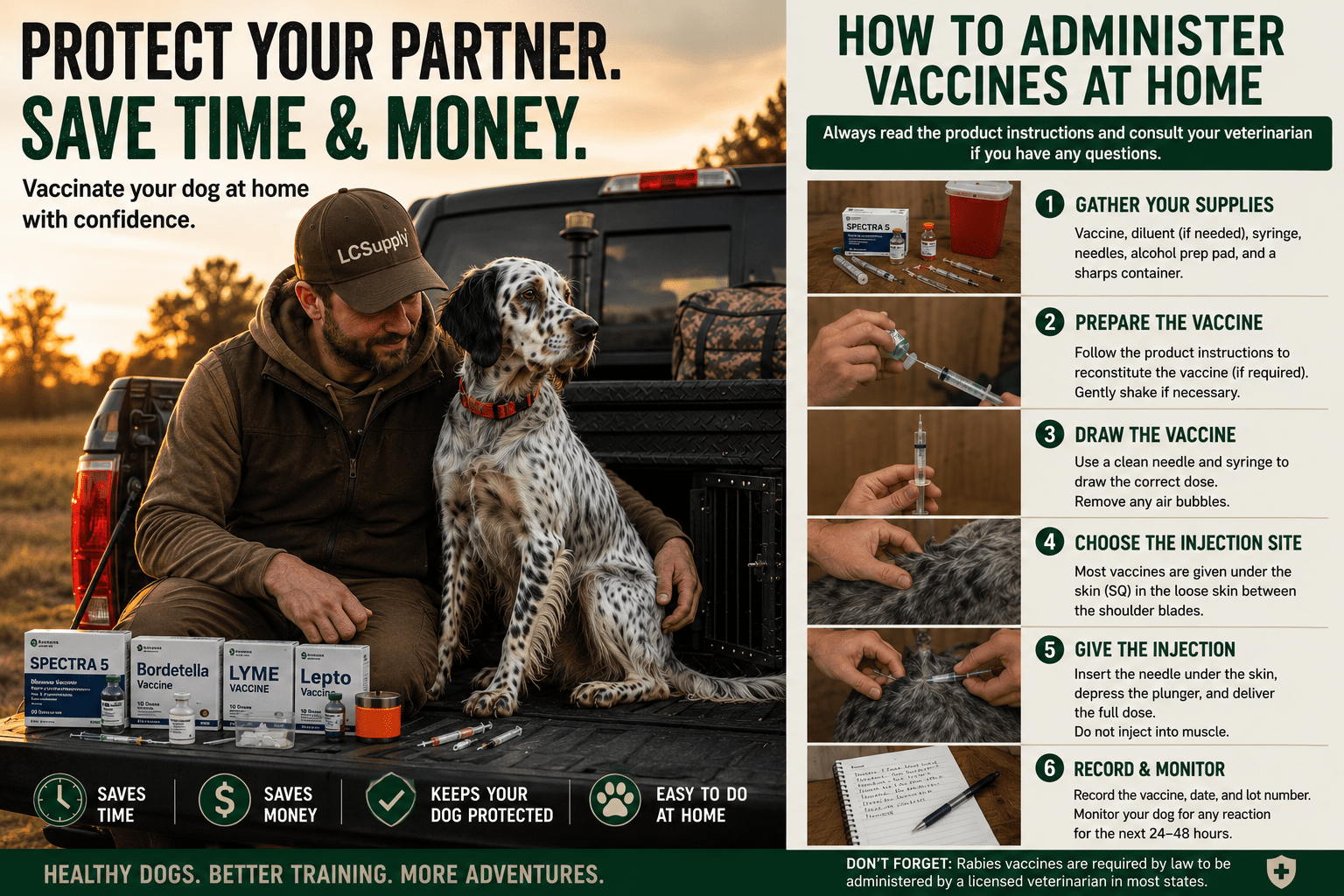

Vaccinating Your Hunting Dog at Home: A Simple Guide from Puppy to Adult
Keeping your hunting dog healthy is one of the most important investments you can make in their future. Whether you're raising a new puppy, preparing for hunt tests, or maintaining an experienced bird dog, staying current on vaccinations helps protect your dog from preventable diseases and keeps them ready for training, travel, and hunting season.
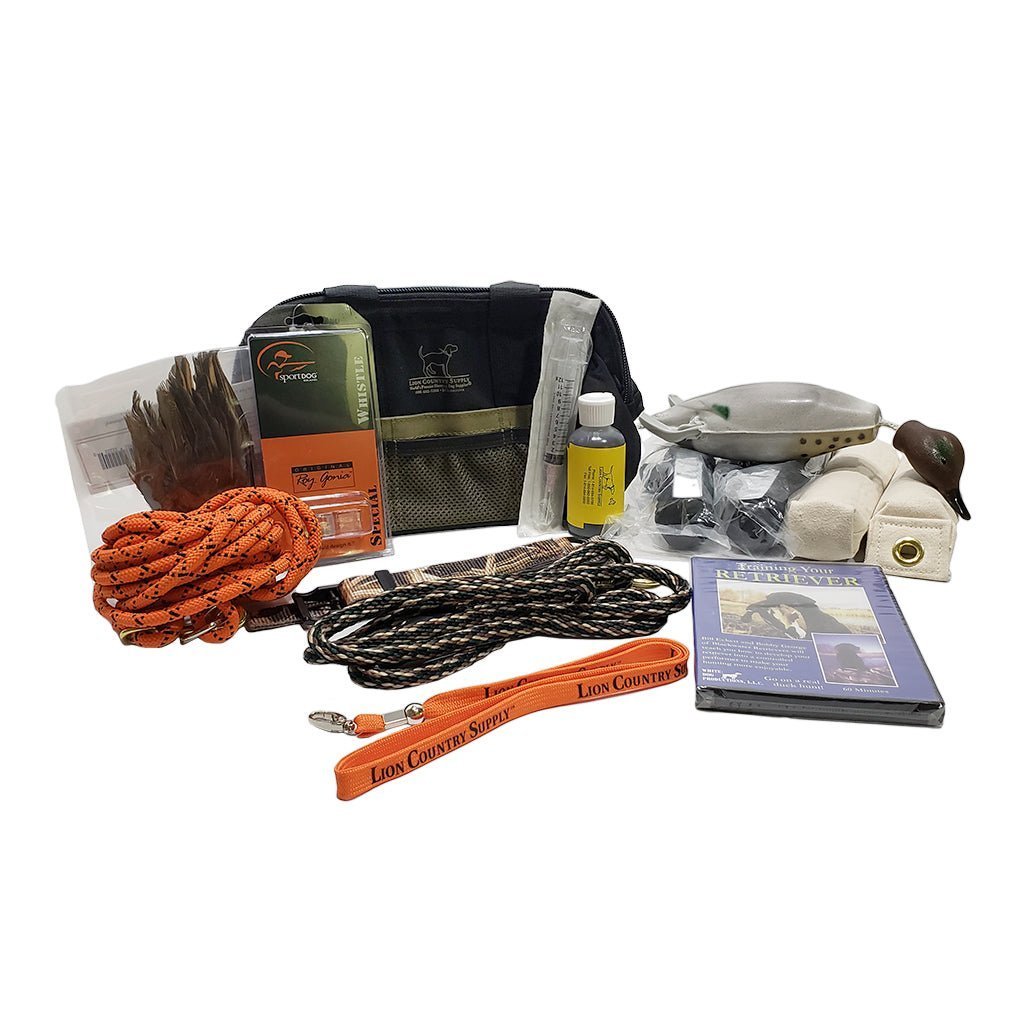

Bird Dog Training for Beginners
You have decided to train your bird dog. Fantastic! Here are some tips for beginners. Puppies! It's easy to fall in love with a pretty face. However, when training a bird dog, it makes good sense to start off with the appropriate puppy. Decide, before you even start, if you want a pointer or a retriever. Starting young...
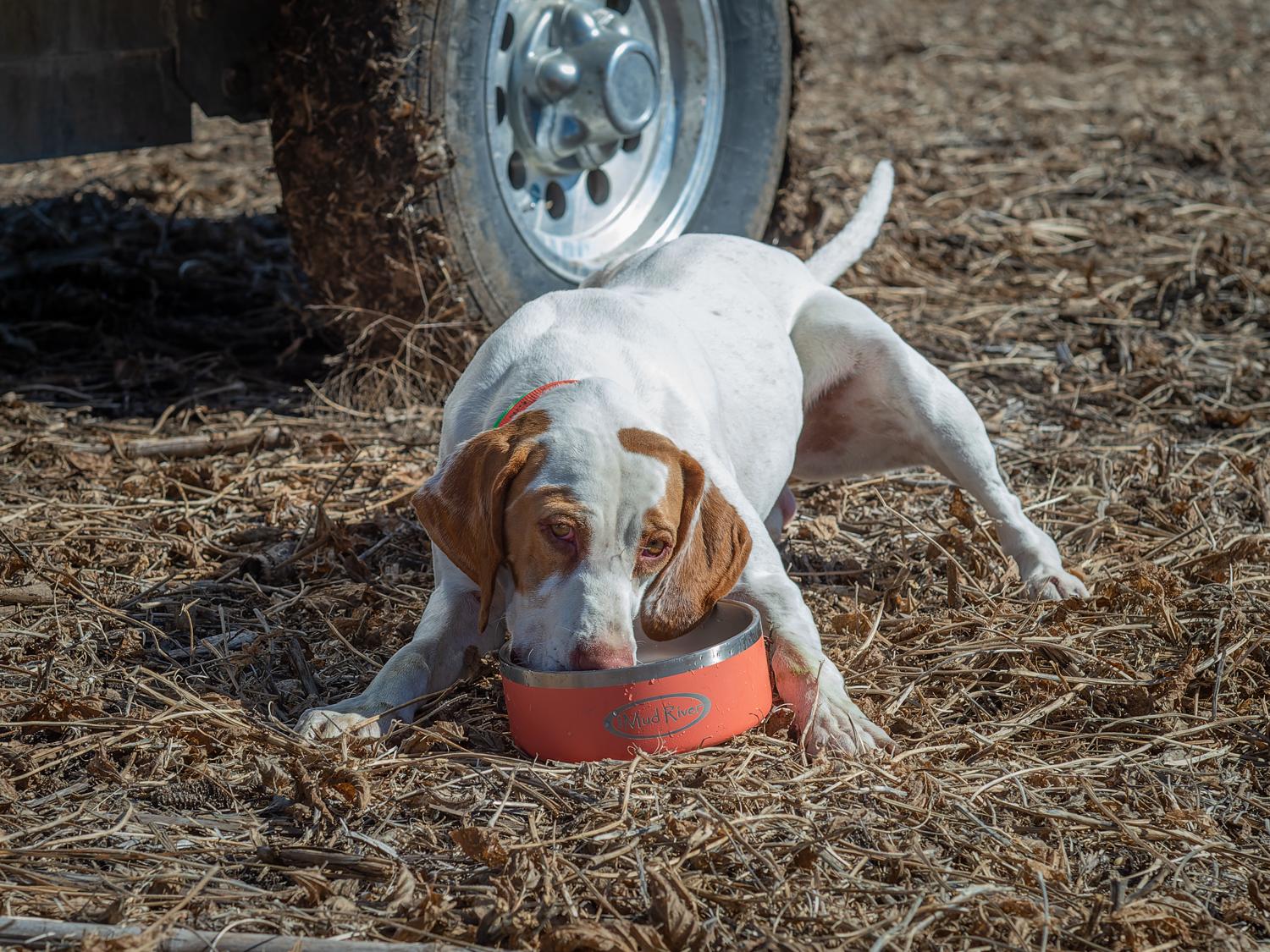

How to Keep Your Hunting Dog Safe in Warm Weather (And What to Pack in the Field)
Warm-weather hunts can be some of the best days in the field—but they also come with real risks for your dog. Unlike us, dogs don’t sweat to regulate body temperature. They rely on panting, and when they’re running hard, that system can get overwhelmed fast.

