


Your Cart is Empty

LCS Plastic Pheasant-Duck Crate
$89.95
LCS Plastic Cages for Pheasants and Ducks
Keep your birds safe and secure with the LCS Plastic Game Bird Cages, designed specifically for pheasants and ducks. These durable cages feature a single, top-sliding door for quick loading and unloading, minimizing escapes while...
-
LCS Plastic Cages for Pheasants and Ducks
Keep your birds safe and secure with the LCS Plastic Game Bird Cages, designed specifically for pheasants and ducks. These durable cages feature a single, top-sliding door for quick loading and unloading, minimizing escapes while ensuring easy handling in the field or around the farm.
Each cage comfortably holds 14–16 full-grown pheasants or ducks, providing plenty of headroom and ventilation while remaining low enough to reduce flight and jumping. Made from heavy-duty plastic, these cages are built to last—they won’t rot, rust, or mildew, and cleanup is quick with a simple hose-down. The slightly raised floor design allows cages to be stacked for efficient transport and storage.
-
Capacity: Holds 14–16 full-grown pheasants or ducks
-
Construction: Heavyweight plastic, rot-, rust-, and mildew-proof
-
Easy Loading: Top sliding door minimizes escapes
-
Ventilation: Provides airflow and comfort for birds
-
Stackable Design: Raised floor allows multiple cages to be stacked
-
Dimensions: 38” L x 24” W x 11” H
-
Assembly: Some assembly required
Note: A $20 oversized shipping fee applies and is not included in the listed price.
-
-


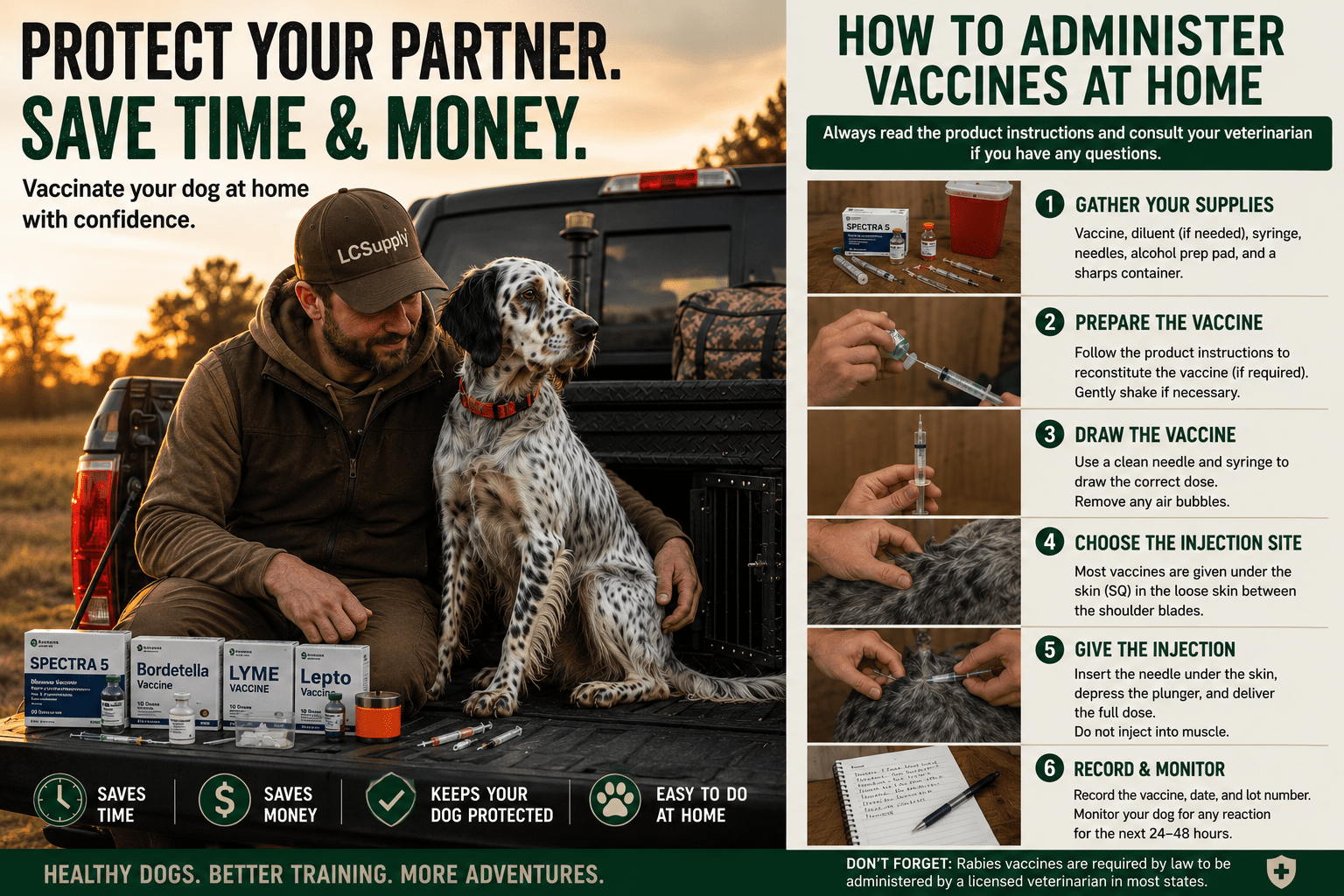

Vaccinating Your Hunting Dog at Home: A Simple Guide from Puppy to Adult
Keeping your hunting dog healthy is one of the most important investments you can make in their future. Whether you're raising a new puppy, preparing for hunt tests, or maintaining an experienced bird dog, staying current on vaccinations helps protect your dog from preventable diseases and keeps them ready for training, travel, and hunting season.
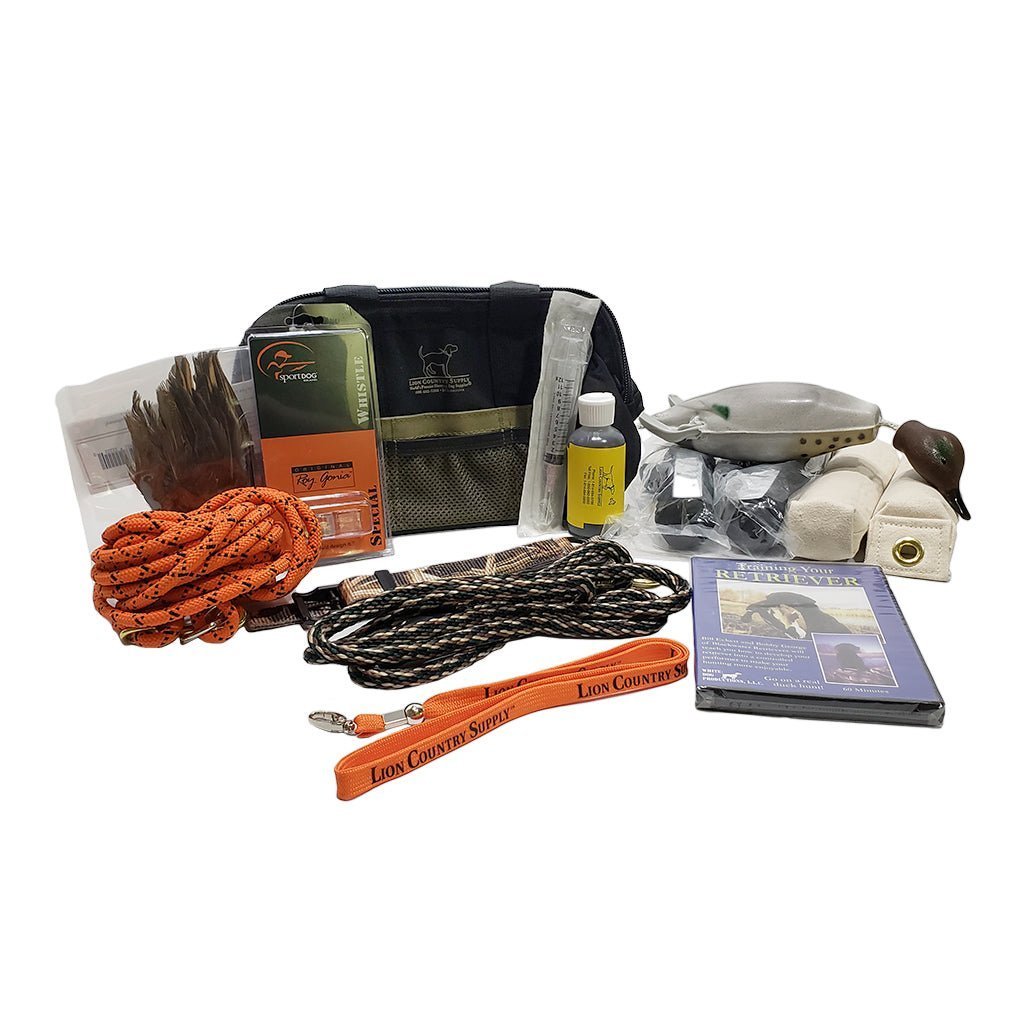

Bird Dog Training for Beginners
You have decided to train your bird dog. Fantastic! Here are some tips for beginners. Puppies! It's easy to fall in love with a pretty face. However, when training a bird dog, it makes good sense to start off with the appropriate puppy. Decide, before you even start, if you want a pointer or a retriever. Starting young...
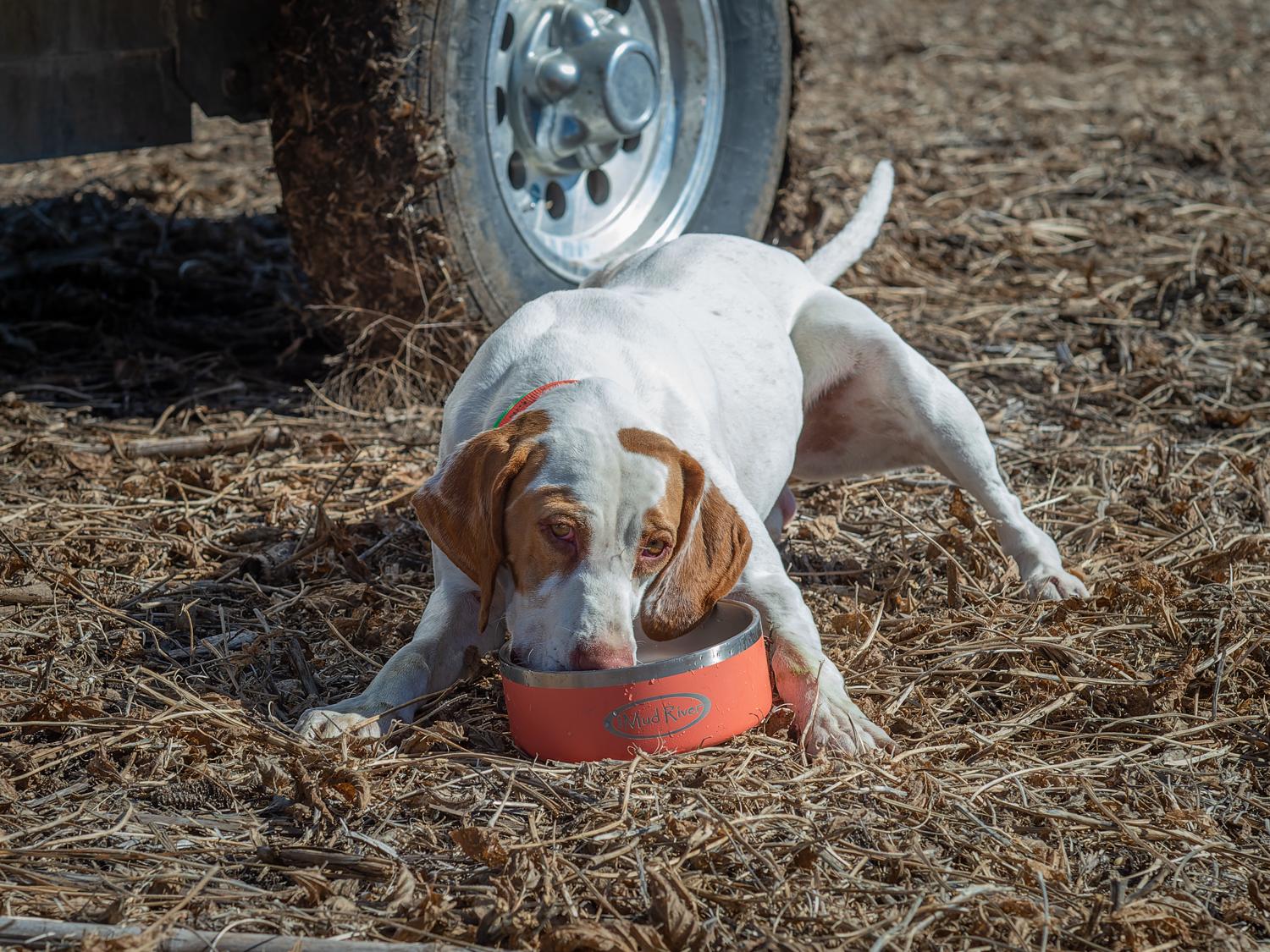

How to Keep Your Hunting Dog Safe in Warm Weather (And What to Pack in the Field)
Warm-weather hunts can be some of the best days in the field—but they also come with real risks for your dog. Unlike us, dogs don’t sweat to regulate body temperature. They rely on panting, and when they’re running hard, that system can get overwhelmed fast.

