


Your Cart is Empty


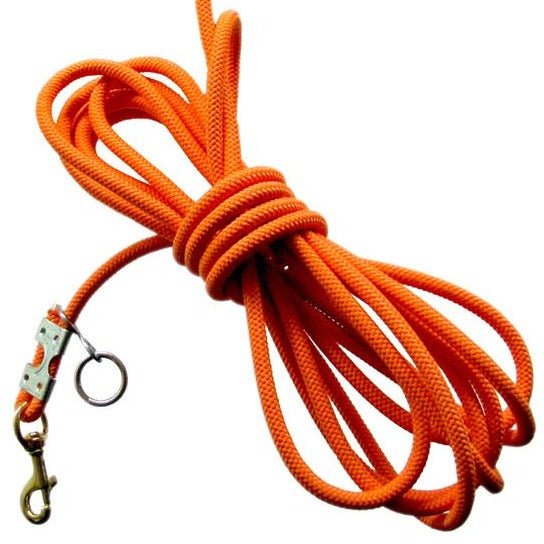



LCS Flank Check Cord
$14.95
LCS Flank Check Cord – 20 ft. Floating Training Lead
The LCS Flank Check Cord is designed to make flank training easier, faster, and more reliable. Built with a special keeper ring, this cord allows for a quicker, more secure...
-
LCS Flank Check Cord – 20 ft. Floating Training Lead
The LCS Flank Check Cord is designed to make flank training easier, faster, and more reliable. Built with a special keeper ring, this cord allows for a quicker, more secure half-hitch around the dog’s flanks, giving you consistent control during training.
Constructed from smooth-finished, tightly woven, solid-core nylon rope, this ⅜" diameter cord provides a sure grip without tangling. A sturdy, snag-resistant rope clamp comes standard, or we can tie a bowline knot at your request.
Best of all, this cord floats in water, making it just as useful for field drills as it is for water retrieves.
Key Features
-
Special Keeper Ring: Keeps flank half-hitch secure and easy to apply.
-
Durable Nylon Rope: ⅜" diameter, solid-core, tightly woven for long-lasting use.
-
Strong Hardware: Snag-resistant rope clamp or optional bowline knot.
-
Floating Design: Perfect for both land and water training.
-
Standard Length: 20 ft. for versatile training setups.
-
Customizable: Available in any length you need for $0.50/ft.
The LCS Flank Check Cord is a field-tested, trainer-approved tool that gives you better control and reliability when working dogs on whoa training, heel, or field handling drills.

-
-


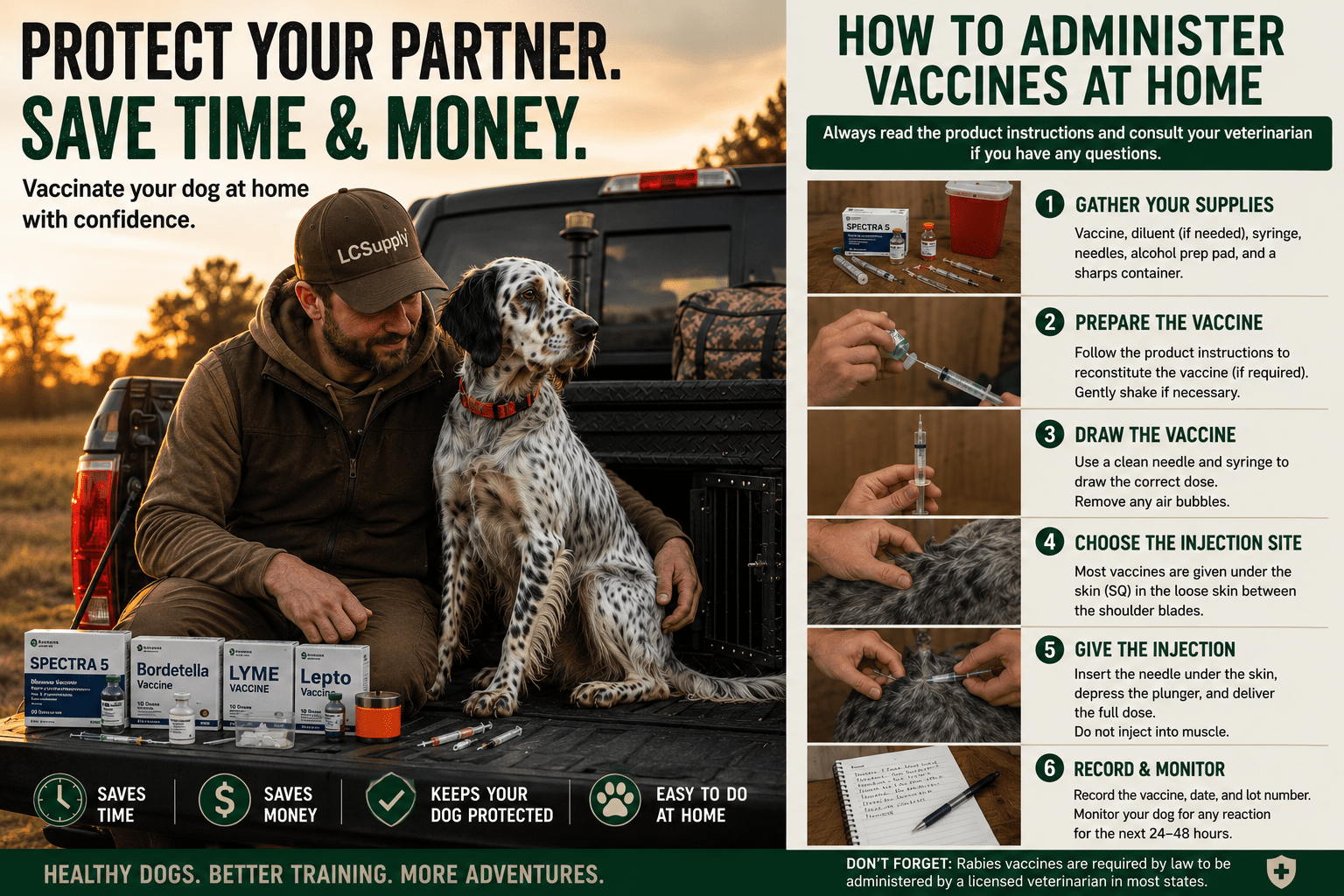

Vaccinating Your Hunting Dog at Home: A Simple Guide from Puppy to Adult
Keeping your hunting dog healthy is one of the most important investments you can make in their future. Whether you're raising a new puppy, preparing for hunt tests, or maintaining an experienced bird dog, staying current on vaccinations helps protect your dog from preventable diseases and keeps them ready for training, travel, and hunting season.
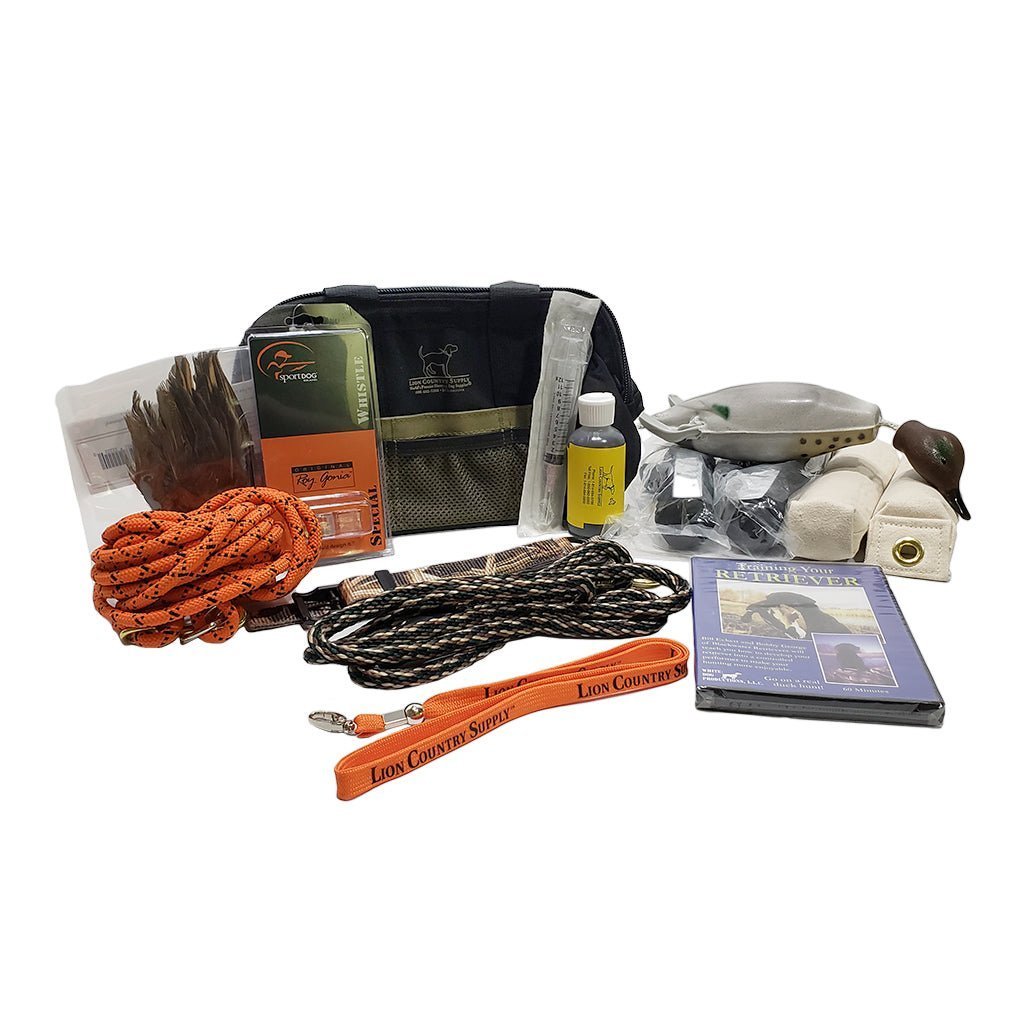

Bird Dog Training for Beginners
You have decided to train your bird dog. Fantastic! Here are some tips for beginners. Puppies! It's easy to fall in love with a pretty face. However, when training a bird dog, it makes good sense to start off with the appropriate puppy. Decide, before you even start, if you want a pointer or a retriever. Starting young...
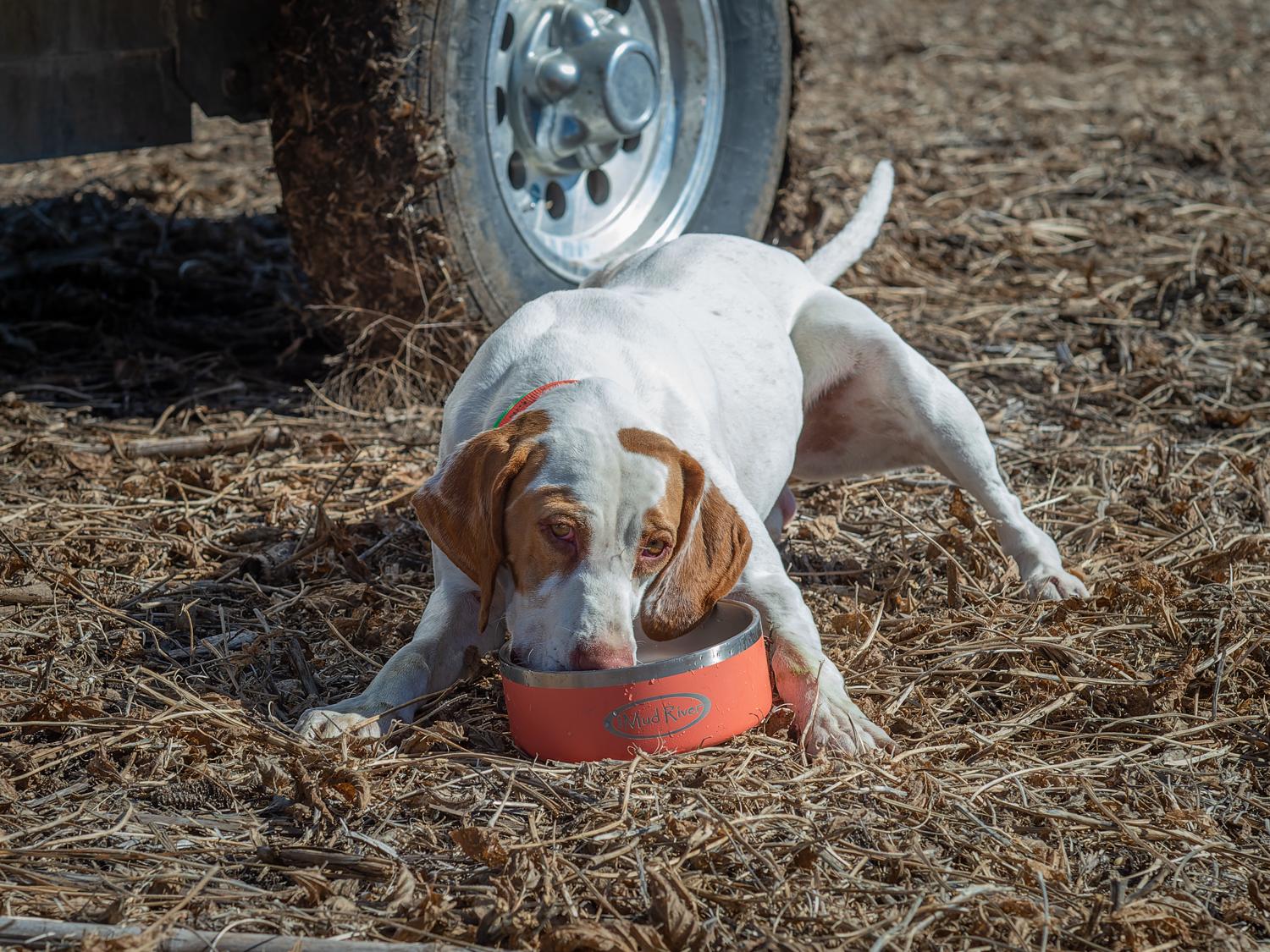

How to Keep Your Hunting Dog Safe in Warm Weather (And What to Pack in the Field)
Warm-weather hunts can be some of the best days in the field—but they also come with real risks for your dog. Unlike us, dogs don’t sweat to regulate body temperature. They rely on panting, and when they’re running hard, that system can get overwhelmed fast.

