


Your Cart is Empty

Quail Feeder Plastic Style
$19.95
Substitution of Poultry feeding equipment for game bird chicks has always been quite a problem to the game breeder. Poultry chick feeders permit the game chicks to get inside the feed and their droppings create a exceedingly unsanitary and unhealthy condition. The Plastic Quail Feeder is specifically designed for game chicks (Quail,...
-
Substitution of Poultry feeding equipment for game bird chicks has always been quite a problem to the game breeder. Poultry chick feeders permit the game chicks to get inside the feed and their droppings create a exceedingly unsanitary and unhealthy condition. The Plastic Quail Feeder is specifically designed for game chicks (Quail, Chukar, Pheasant, etc..) and prevents droppings from getting in the feed.
The plastic material was selected without color in order that farm staff could easily judge feed levels in the feeder without having to pull it out or remove the top. The feed gives a shadow effect on the sides of the feeder indicating the feed level. This saves time as a quick glance determines if the feeder requires refilling. Farm research shows that this feeder produces a good even flow of feed and is easily cleaned.
Size 12 1/4'' long, 6'' Wide, 5 1/2'' high, gives 24 1/2'' of feed space.
Holds 5 lbs. of feed.
-


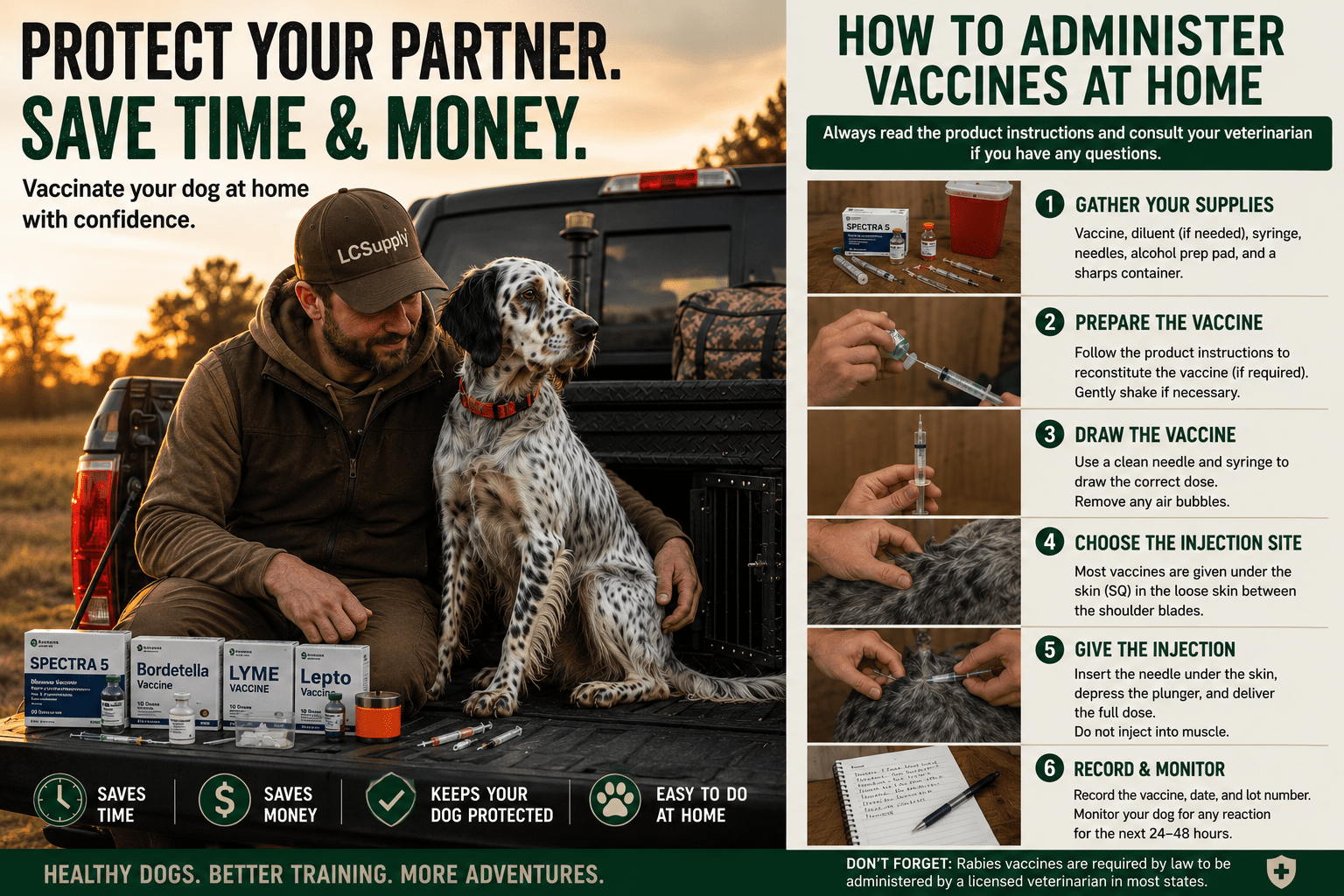

Vaccinating Your Hunting Dog at Home: A Simple Guide from Puppy to Adult
Keeping your hunting dog healthy is one of the most important investments you can make in their future. Whether you're raising a new puppy, preparing for hunt tests, or maintaining an experienced bird dog, staying current on vaccinations helps protect your dog from preventable diseases and keeps them ready for training, travel, and hunting season.
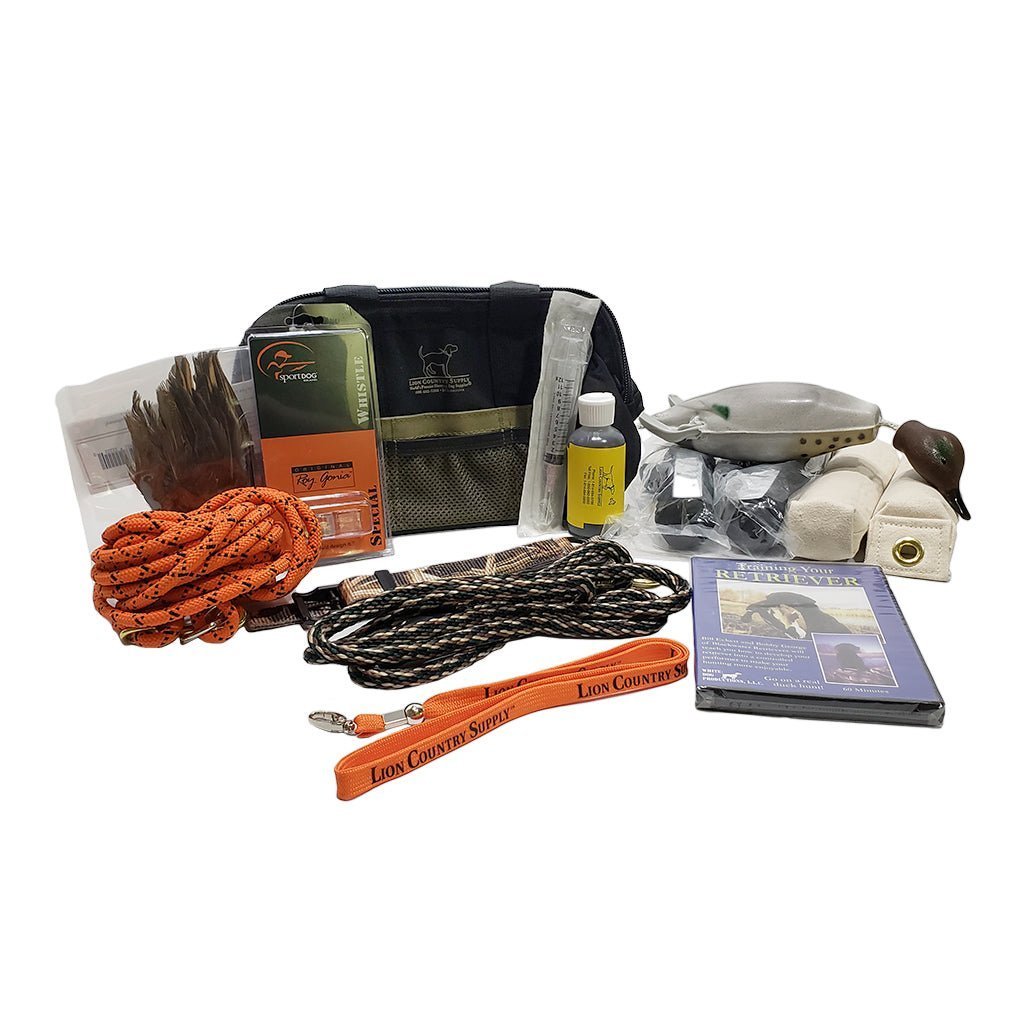

Bird Dog Training for Beginners
You have decided to train your bird dog. Fantastic! Here are some tips for beginners. Puppies! It's easy to fall in love with a pretty face. However, when training a bird dog, it makes good sense to start off with the appropriate puppy. Decide, before you even start, if you want a pointer or a retriever. Starting young...
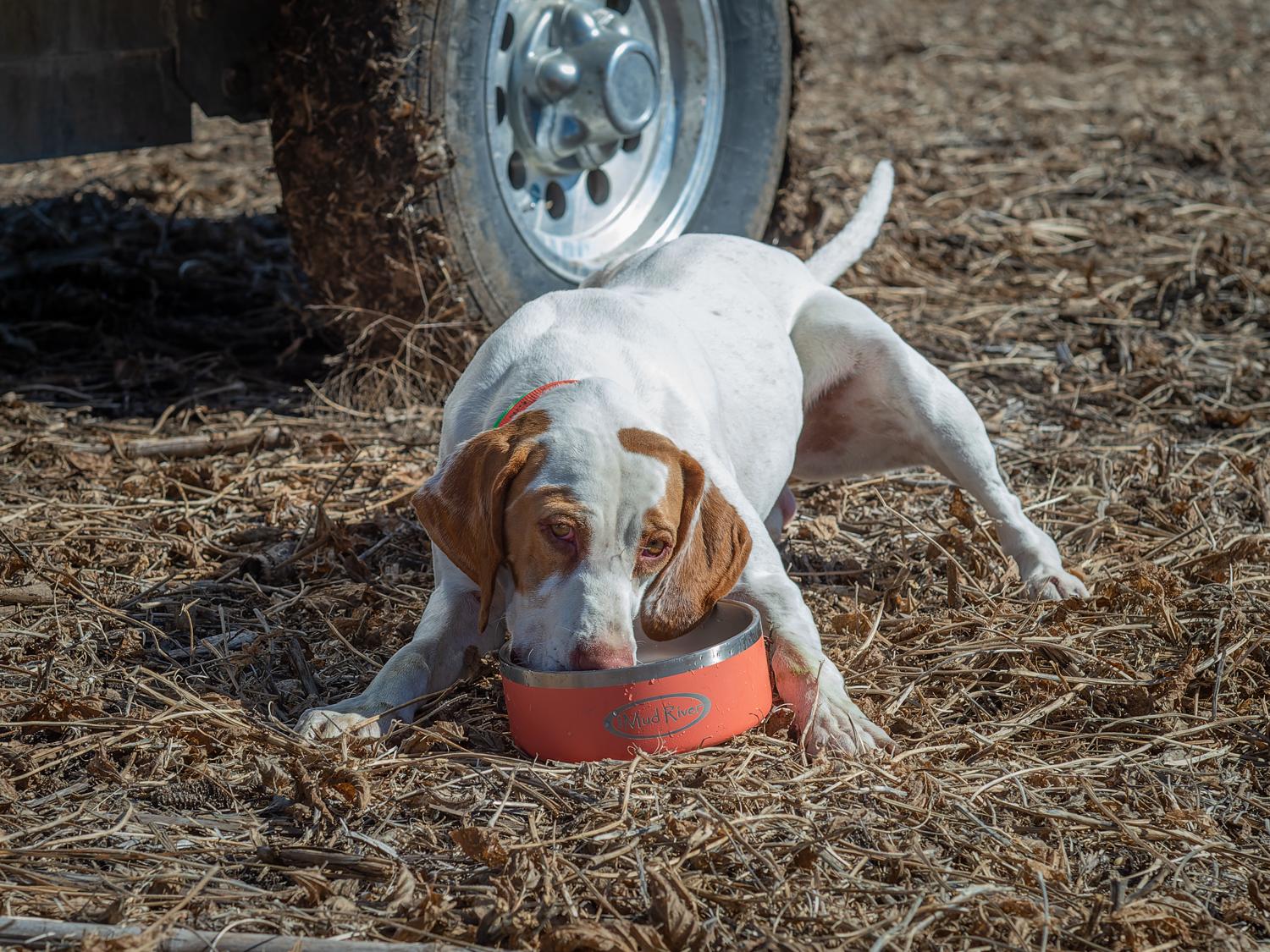

How to Keep Your Hunting Dog Safe in Warm Weather (And What to Pack in the Field)
Warm-weather hunts can be some of the best days in the field—but they also come with real risks for your dog. Unlike us, dogs don’t sweat to regulate body temperature. They rely on panting, and when they’re running hard, that system can get overwhelmed fast.

