


Your Cart is Empty


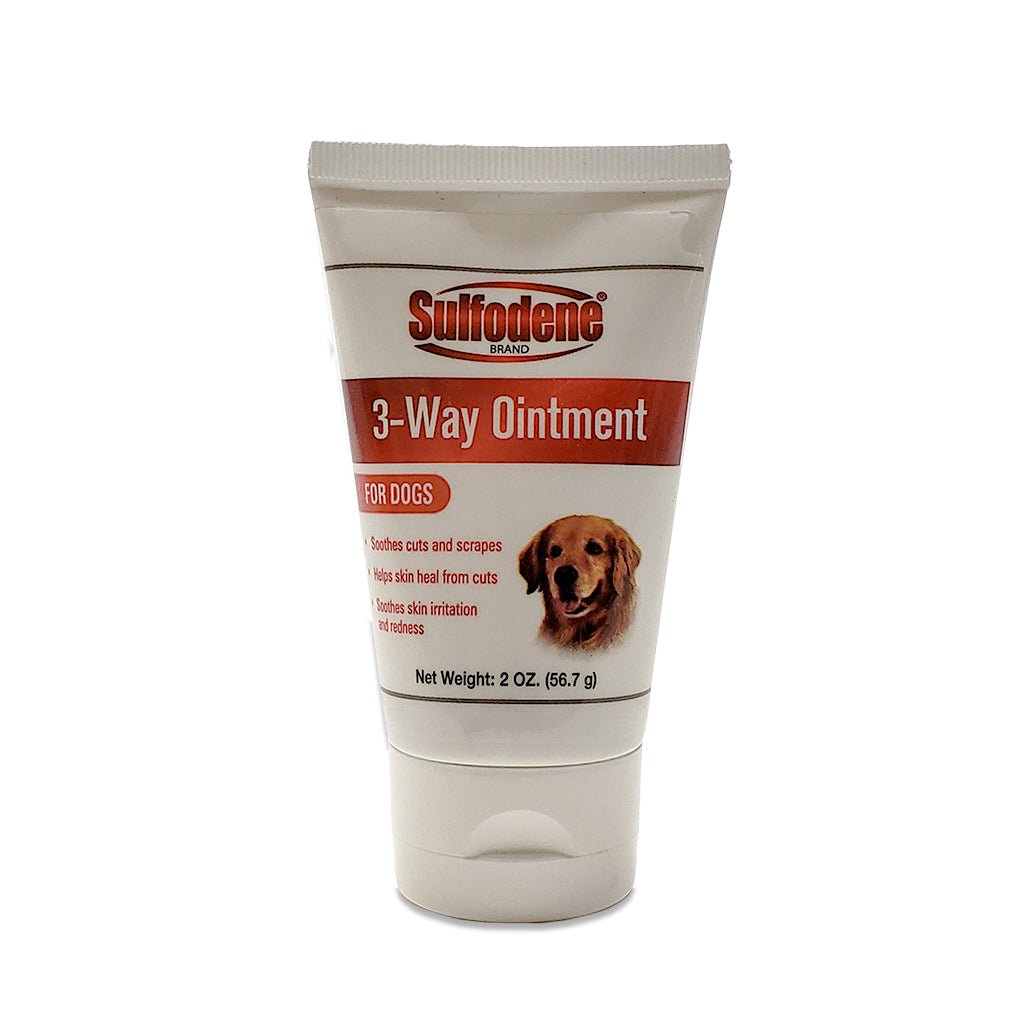


Sulfodene 3 Way Ointment
$9.95
Treats wounds in three ways - it helps prevent infection, aids in pain relief, and provides an insect, water and germ barrier to protect the injury while healing. The ointment is recommended for cuts, scrapes, scratches, bites, abrasions and skin irritations. 2 oz. Tube.
Key Benefits
- First aid...
-
Treats wounds in three ways - it helps prevent infection, aids in pain relief, and provides an insect, water and germ barrier to protect the injury while healing. The ointment is recommended for cuts, scrapes, scratches, bites, abrasions and skin irritations. 2 oz. Tube.
Key Benefits
- First aid ointment helps to heal a variety of canine skin-related issues.
- Prevents infection, relieves pain and provides a barrier against insects and germs.
- Also treats hot spots associated with scratching, hair loss and redness.
- Helps relieve topical conditions that may have a bacterial and/or fungal basis.
- For use on cuts, scrapes, bites, abrasions and skin irritations.
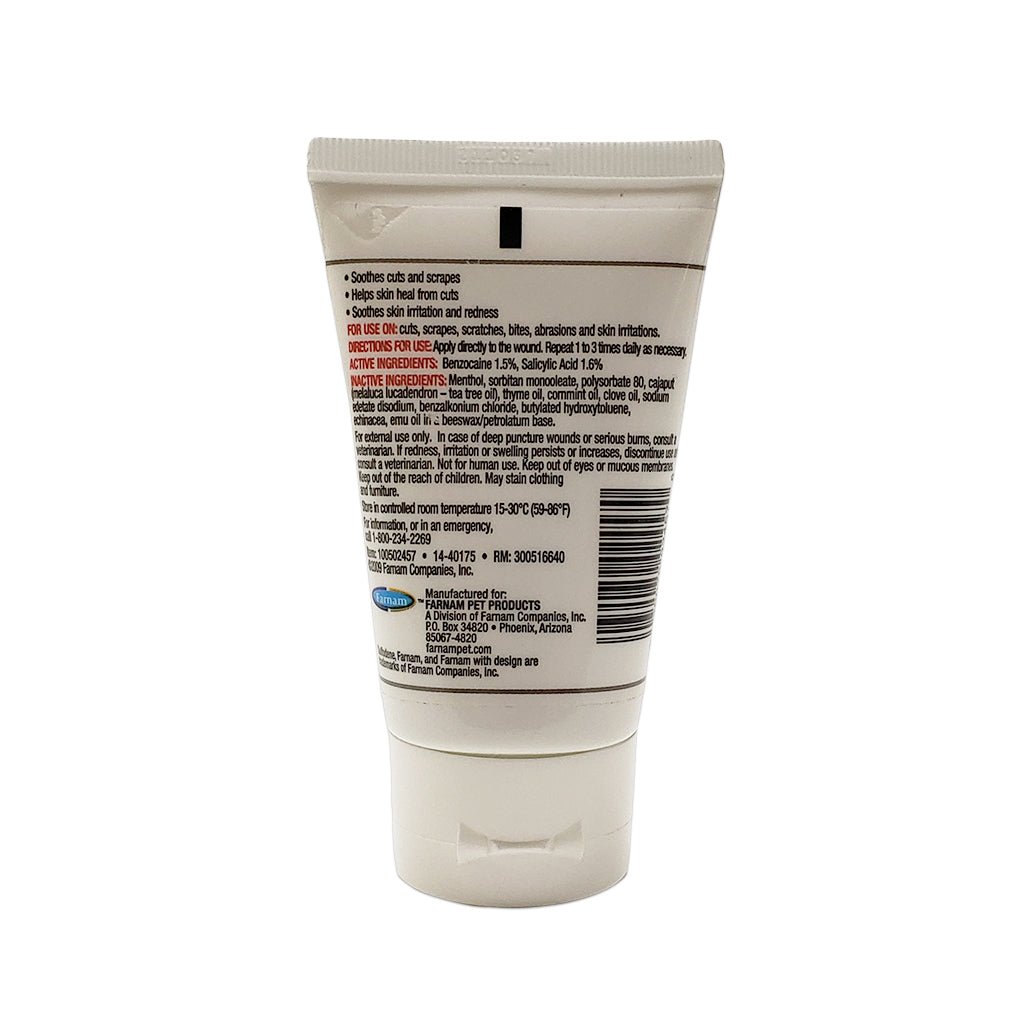
Directions For Use: Apply directly to the wound. Repeat 1 to 3 times daily as necessary.
Ingredients: Menthol, benzocaine, salicylic acid, sorbitan monooleate, polysorbate 80, cajaput (melaluca lucadendron – tea tree oil), citronella oil, thyme oil, cornmint oil, clove oil, sodium edetate disodium, benzalkonium chloride, butylated hydroxytoluene, echinacea, emu oil in a beeswax/petrolatum base.
Read an LCS Staff Review - Sulfodene 3-Way Review
-


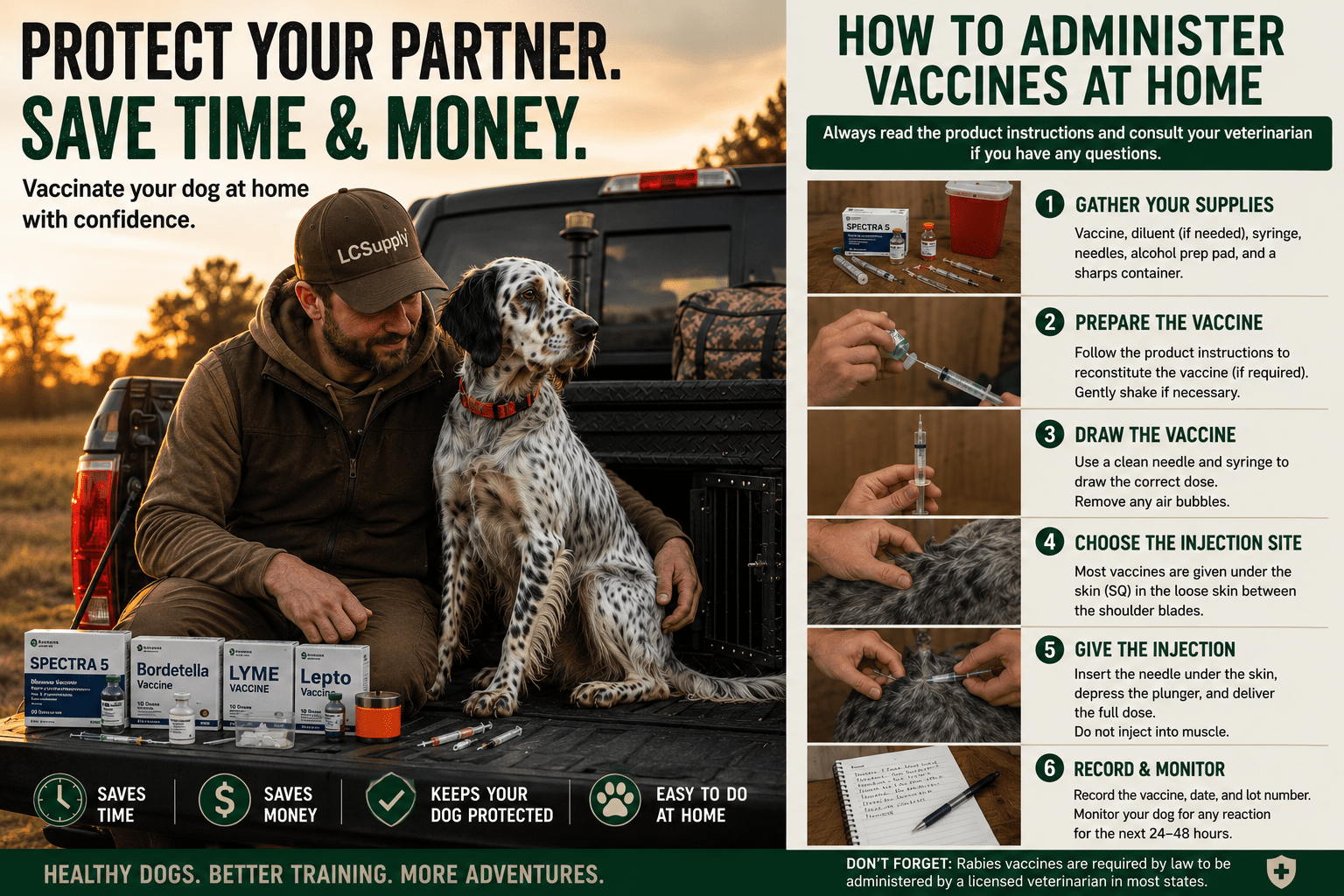

Vaccinating Your Hunting Dog at Home: A Simple Guide from Puppy to Adult
Keeping your hunting dog healthy is one of the most important investments you can make in their future. Whether you're raising a new puppy, preparing for hunt tests, or maintaining an experienced bird dog, staying current on vaccinations helps protect your dog from preventable diseases and keeps them ready for training, travel, and hunting season.
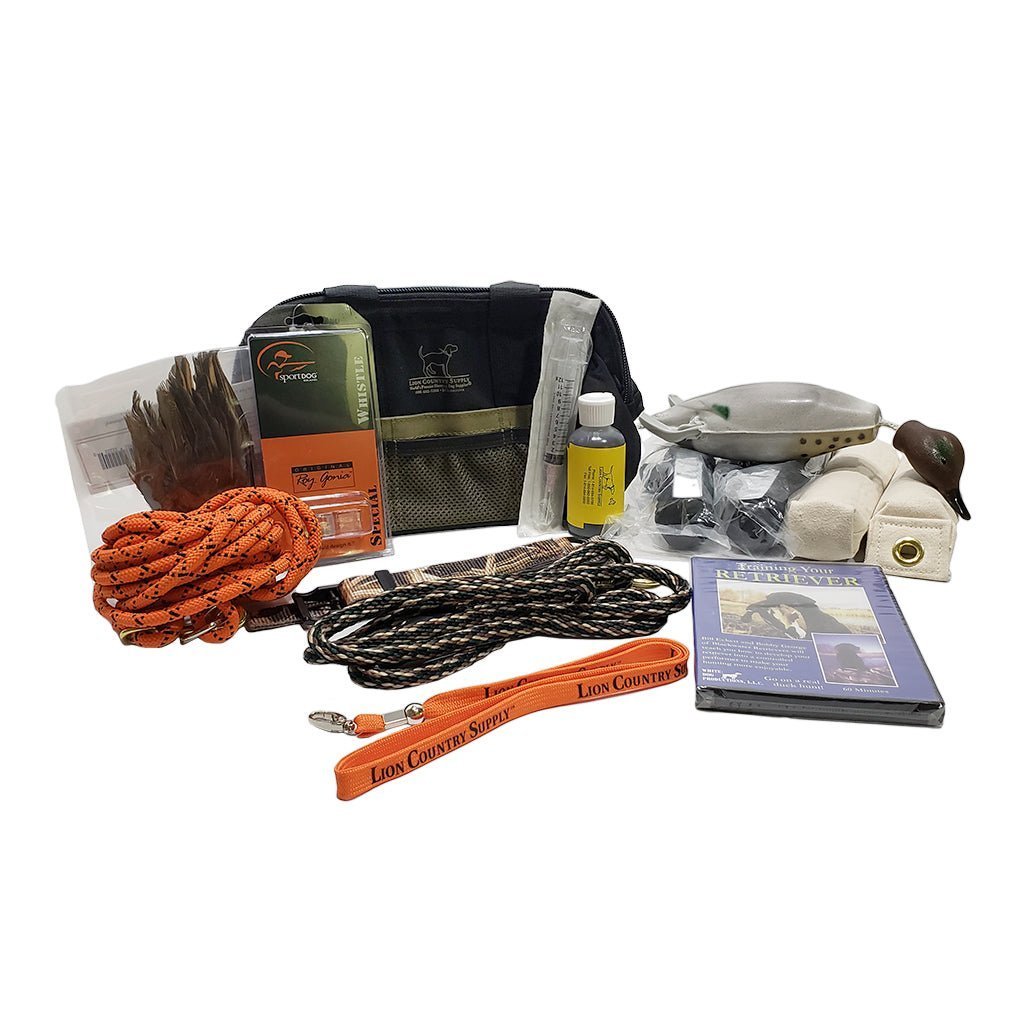

Bird Dog Training for Beginners
You have decided to train your bird dog. Fantastic! Here are some tips for beginners. Puppies! It's easy to fall in love with a pretty face. However, when training a bird dog, it makes good sense to start off with the appropriate puppy. Decide, before you even start, if you want a pointer or a retriever. Starting young...
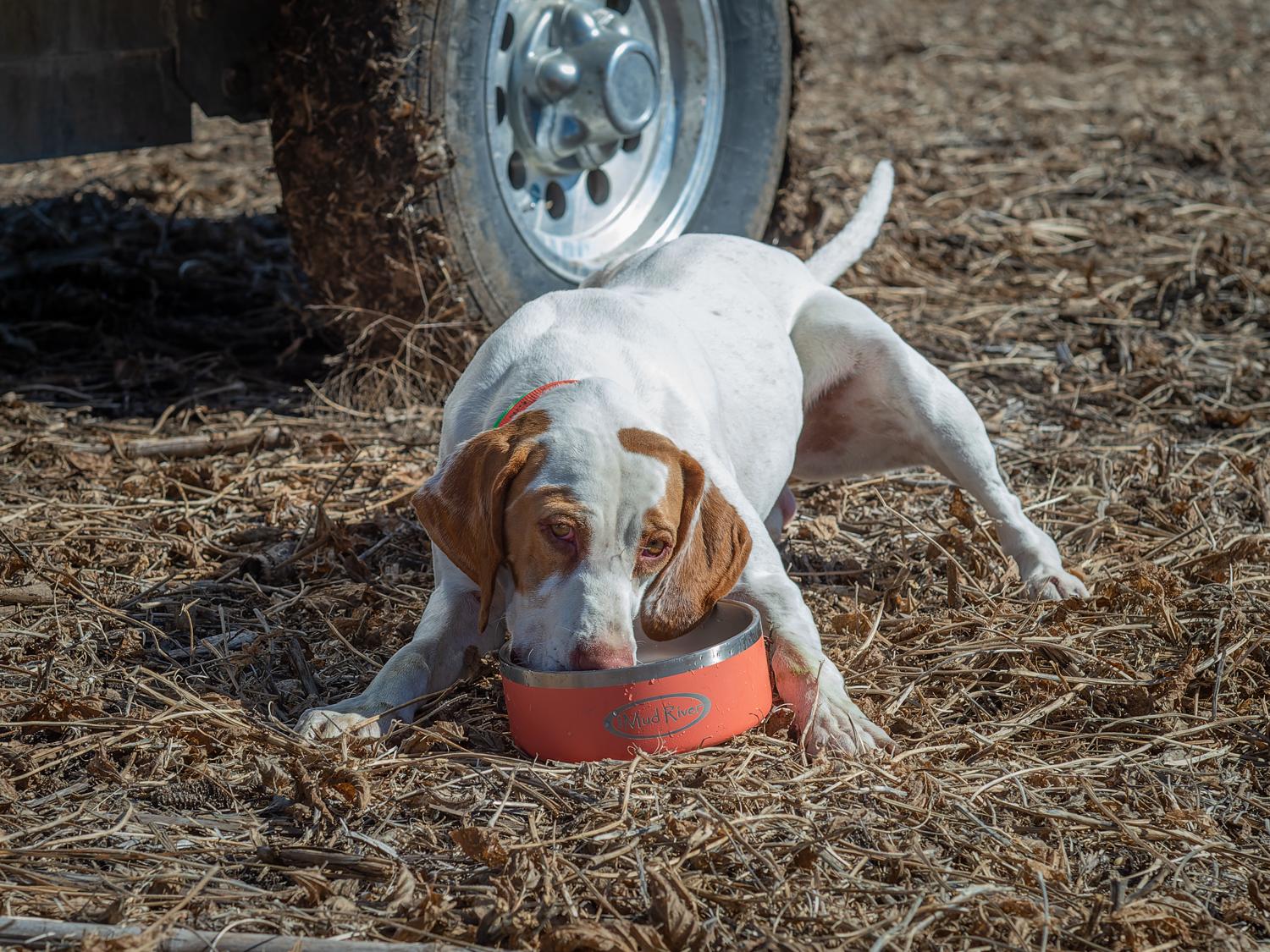

How to Keep Your Hunting Dog Safe in Warm Weather (And What to Pack in the Field)
Warm-weather hunts can be some of the best days in the field—but they also come with real risks for your dog. Unlike us, dogs don’t sweat to regulate body temperature. They rely on panting, and when they’re running hard, that system can get overwhelmed fast.

