


Your Cart is Empty

Vetericyn Plus Antimicrobial Hydrogel
$18.99
Vetericyn Plus Antimicrobial Hydrogel - 3 ounce
Vetericyn Plus Wound & Skin Care Hydrogel Line is a uniquely formulated gel designed to adhere to the wound site providing a protective barrier. Based on advanced hypochlorous technology, Vetericyn Plus Hydrogel is formulated at an appropriate pH...
-
Vetericyn Plus Antimicrobial Hydrogel - 3 ounce
Vetericyn Plus Wound & Skin Care Hydrogel Line is a uniquely formulated gel designed to adhere to the wound site providing a protective barrier. Based on advanced hypochlorous technology, Vetericyn Plus Hydrogel is formulated at an appropriate pH level and will not burn or sting. The thicker consistency causes the product to stay in place which is useful for dressings, hard to reach locations, post-surgical sites and wound beds. Use in conjunction with our Vetericyn Plus Liquid solution formula for proper wound cleansing and management to help set the optimal stage for healing conditions. From your home to the farm or ranch, Vetericyn makes caring for your animals simple and easy.
Directions for use:
Shake well before using. Move excess hair from wound area. Clip if necessary. Adjust spray nozzle. Saturate the affected area. If dressing is required, saturate dressing with Vetericyn® HydroGel at each dressing change. Repeat 3-4 times per day until wound is healed. No rinsing necessary. HydroGel is designed to stick to the site of application and evaporate slowly, no need to wipe away film or residue. Faster healing is achieved when wounds are cleaned and maintained moist. Safe for use around mouth, nose, ears and eyes.
-


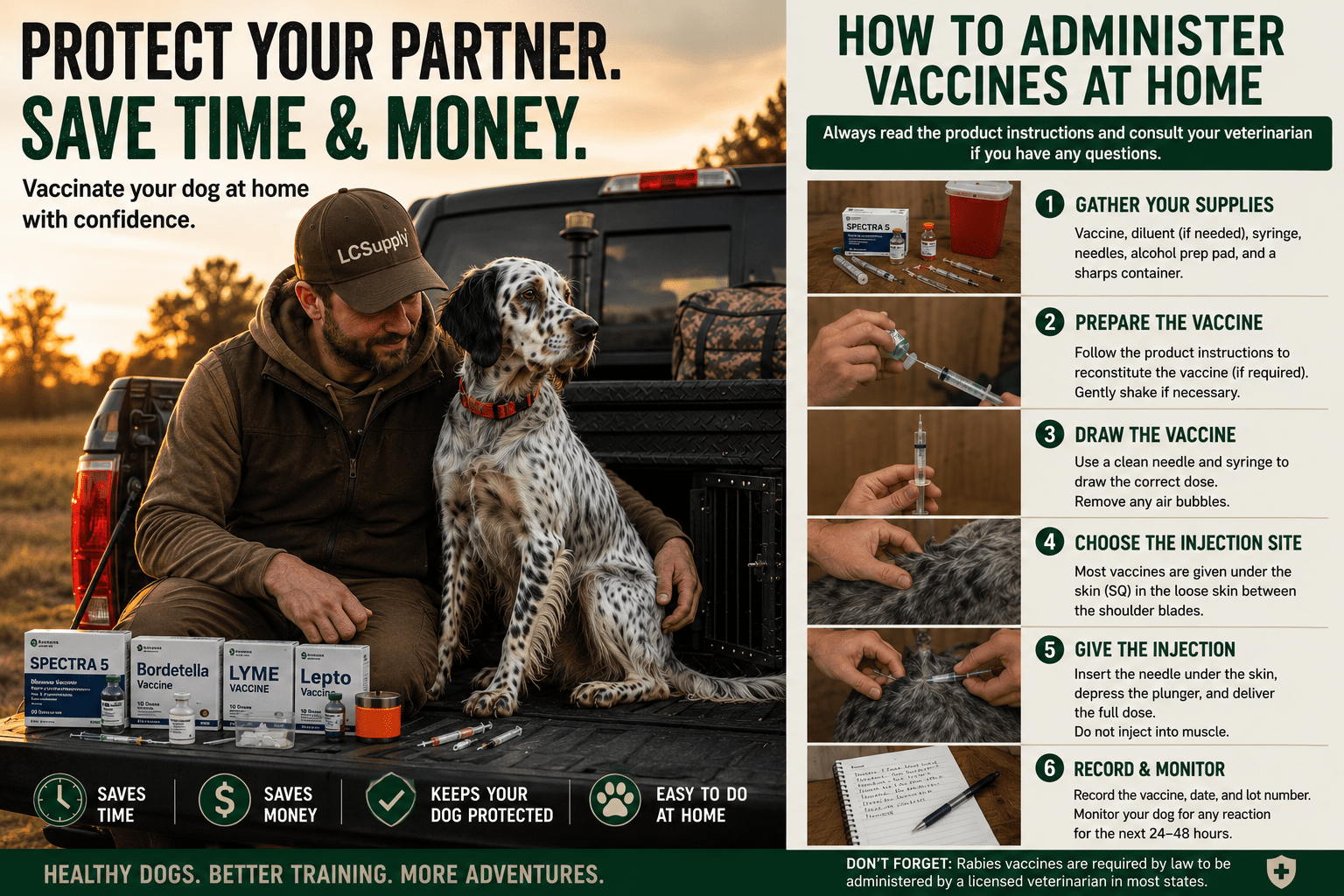

Vaccinating Your Hunting Dog at Home: A Simple Guide from Puppy to Adult
Keeping your hunting dog healthy is one of the most important investments you can make in their future. Whether you're raising a new puppy, preparing for hunt tests, or maintaining an experienced bird dog, staying current on vaccinations helps protect your dog from preventable diseases and keeps them ready for training, travel, and hunting season.
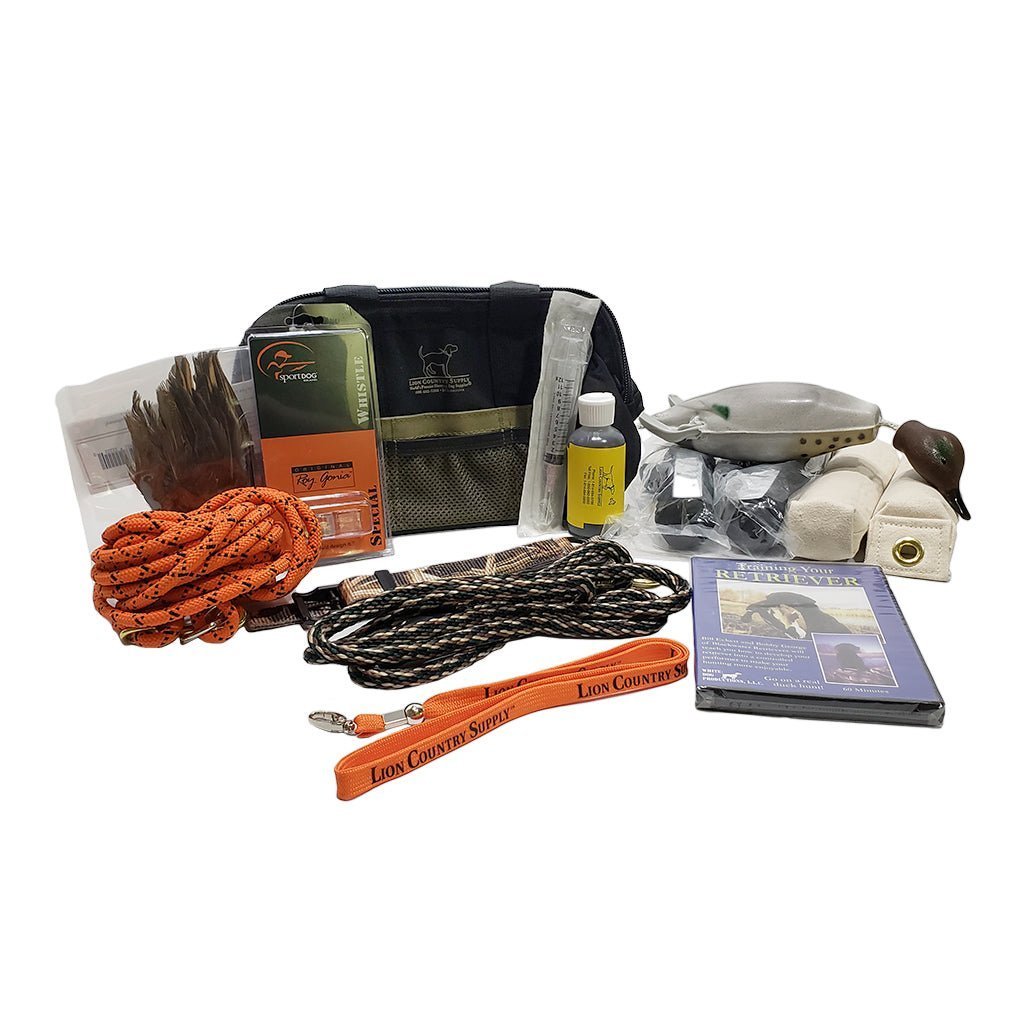

Bird Dog Training for Beginners
You have decided to train your bird dog. Fantastic! Here are some tips for beginners. Puppies! It's easy to fall in love with a pretty face. However, when training a bird dog, it makes good sense to start off with the appropriate puppy. Decide, before you even start, if you want a pointer or a retriever. Starting young...
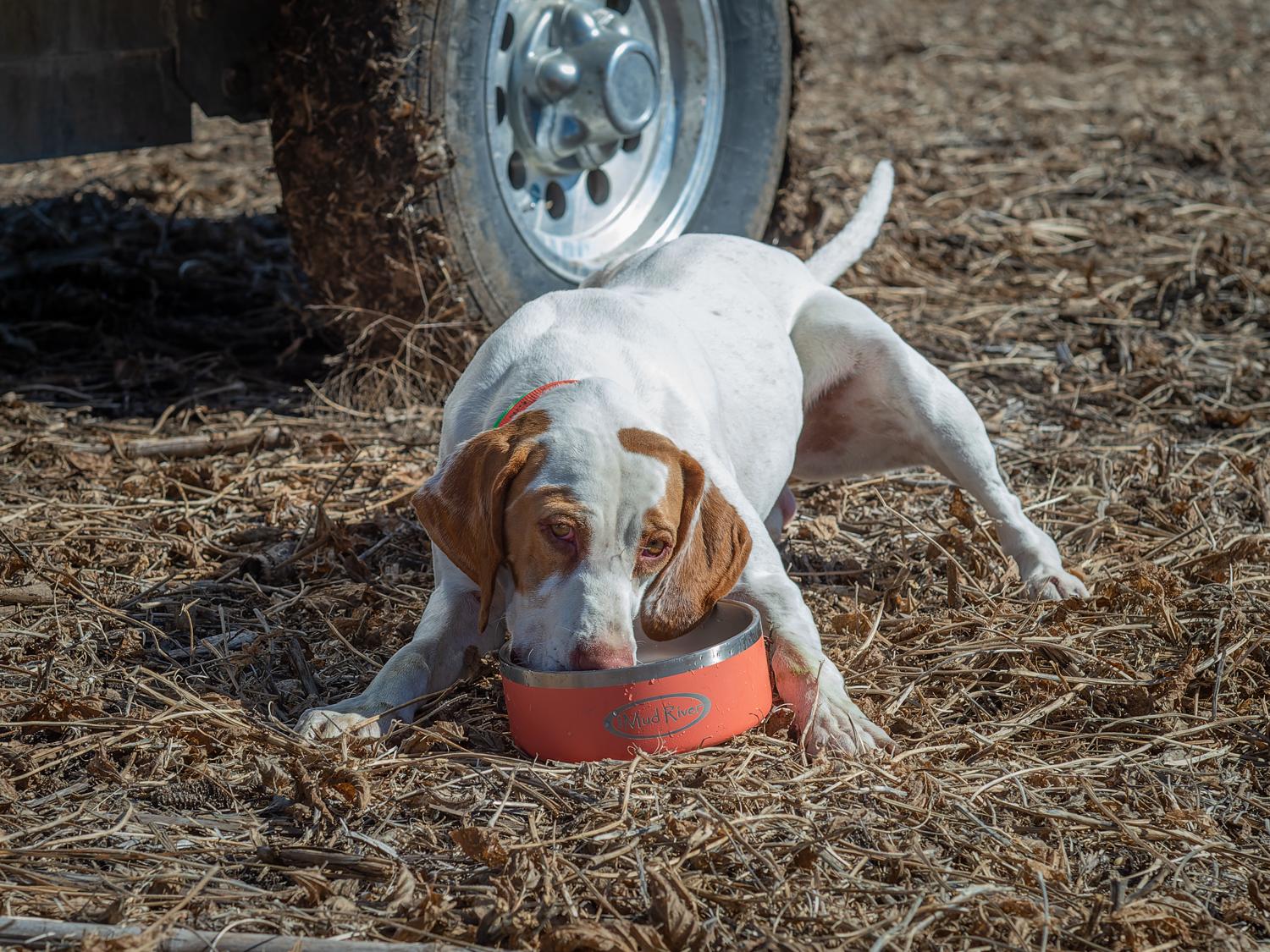

How to Keep Your Hunting Dog Safe in Warm Weather (And What to Pack in the Field)
Warm-weather hunts can be some of the best days in the field—but they also come with real risks for your dog. Unlike us, dogs don’t sweat to regulate body temperature. They rely on panting, and when they’re running hard, that system can get overwhelmed fast.

