


Your Cart is Empty

Lion Country Supply Keto-C Wipes
$14.95
Keto-C™ Wipes contain an antiseptic (antibacterial and antifungal) solution for the topical management of skin conditions that are responsive to chlorhexidine and ketoconazole. Keto-C™ Wipes can be used for the antiseptic cleansing of face folds, finger folds, as well as underarm and groin areas.
Directions for Use: Thoroughly wipe affected...
-
Keto-C™ Wipes contain an antiseptic (antibacterial and antifungal) solution for the topical management of skin conditions that are responsive to chlorhexidine and ketoconazole. Keto-C™ Wipes can be used for the antiseptic cleansing of face folds, finger folds, as well as underarm and groin areas.
Directions for Use: Thoroughly wipe affected area with a pad 1 to 3 times per day, or as directed by your veterinarian. Do not allow the animal to lick the treated areas until dry to prevent ingestion. Wipes should be used for one application only; do not reuse. Avoid use on open wounds, cuts, or raw areas (use Keto-C™ Flush instead).
Active Ingredients (per wipe): Chlorhexidine 20 mg, and Ketoconazole 17 mg in an alcohol-based solution.
Precautions: Avoid contact with eyes or mucous membranes. If eye contact occurs, rinse thoroughly with water and consult a veterinarian.
Storage: Store at room temperature. Protect from freezing.
-


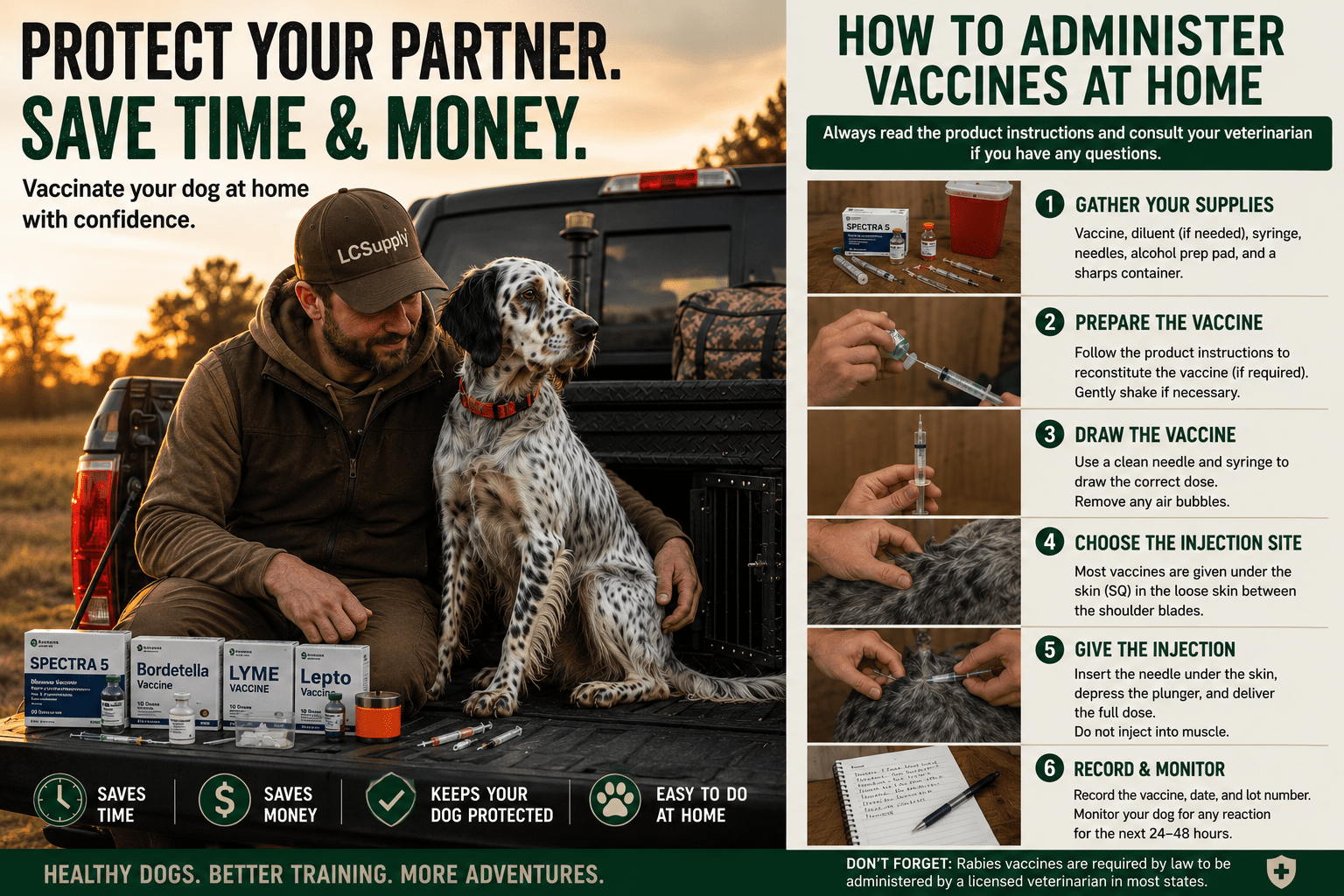

Vaccinating Your Hunting Dog at Home: A Simple Guide from Puppy to Adult
Keeping your hunting dog healthy is one of the most important investments you can make in their future. Whether you're raising a new puppy, preparing for hunt tests, or maintaining an experienced bird dog, staying current on vaccinations helps protect your dog from preventable diseases and keeps them ready for training, travel, and hunting season.
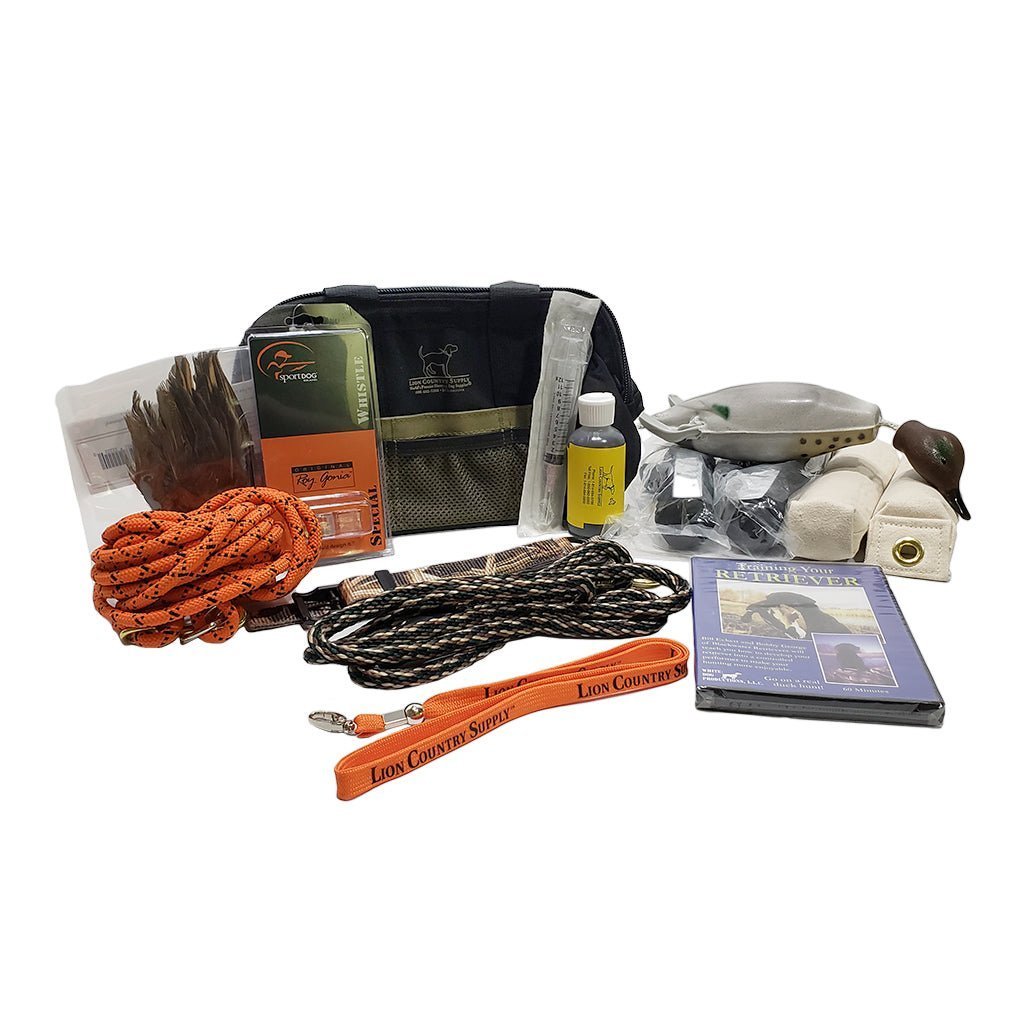

Bird Dog Training for Beginners
You have decided to train your bird dog. Fantastic! Here are some tips for beginners. Puppies! It's easy to fall in love with a pretty face. However, when training a bird dog, it makes good sense to start off with the appropriate puppy. Decide, before you even start, if you want a pointer or a retriever. Starting young...
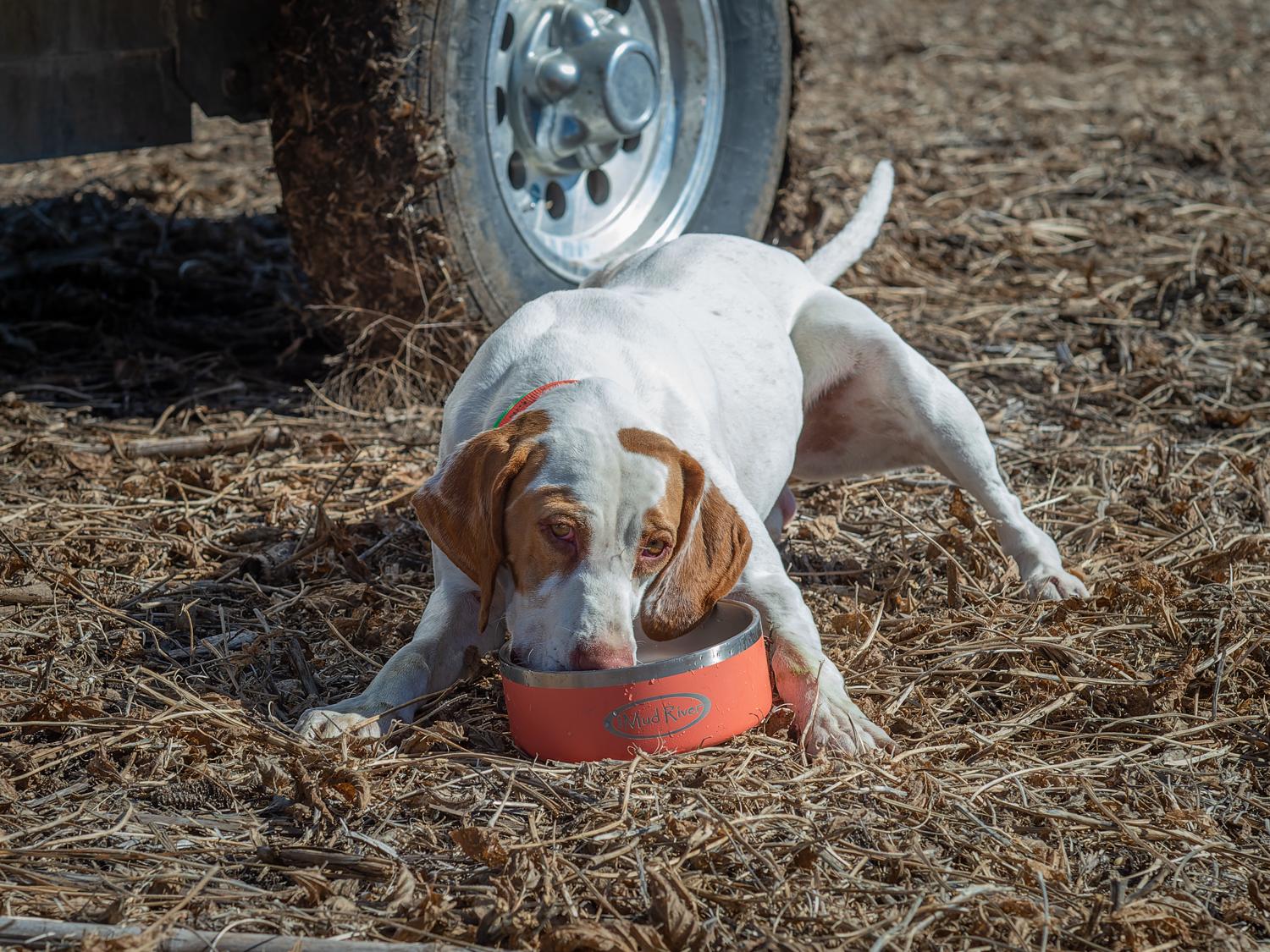

How to Keep Your Hunting Dog Safe in Warm Weather (And What to Pack in the Field)
Warm-weather hunts can be some of the best days in the field—but they also come with real risks for your dog. Unlike us, dogs don’t sweat to regulate body temperature. They rely on panting, and when they’re running hard, that system can get overwhelmed fast.

