


Your Cart is Empty


Kentucky Long Distance Cow Bell
$6.99
Old Time Cast Clunker Cow Bell – Low-Tone Hunting Dog Bell
The Old Time Cast Clunker Cow Bell produces a pleasant, low-tone sound that carries across medium to long distances, making it easier to keep track of your dog in...
-
Old Time Cast Clunker Cow Bell – Low-Tone Hunting Dog Bell
The Old Time Cast Clunker Cow Bell produces a pleasant, low-tone sound that carries across medium to long distances, making it easier to keep track of your dog in the field. This style of bell is especially useful for hunters or handlers with hearing difficulties, as the deeper tone cuts through outdoor noise better than higher-pitched bells.
Crafted in the traditional cast clunker style, this bell is tough, reliable, and designed to last through years of hunting and training. It easily attaches to collars up to ¾" wide, making it compatible with most standard hunting dog collars.
Key Features
-
Low-Tone Sound: Pleasant tone carries at medium to long distances.
-
Great for Hearing Assistance: Ideal choice for handlers with hearing difficulties.
-
Durable Cast Construction: Built to withstand rugged hunting conditions.
-
Collar Compatible: Fits collars up to ¾" wide.
-
Trusted by Hunters: Reliable bell for tracking bird dogs, hounds, and versatile hunting breeds.
The Old Time Cast Clunker Cow Bell is a dependable tool for hunters who want a durable, low-tone tracking bell that keeps them connected to their dog, even at a distance.
Listen to the Kentucky Long Distance Cow Bell
-
-




Vaccinating Your Hunting Dog at Home: A Simple Guide from Puppy to Adult
Keeping your hunting dog healthy is one of the most important investments you can make in their future. Whether you're raising a new puppy, preparing for hunt tests, or maintaining an experienced bird dog, staying current on vaccinations helps protect your dog from preventable diseases and keeps them ready for training, travel, and hunting season.
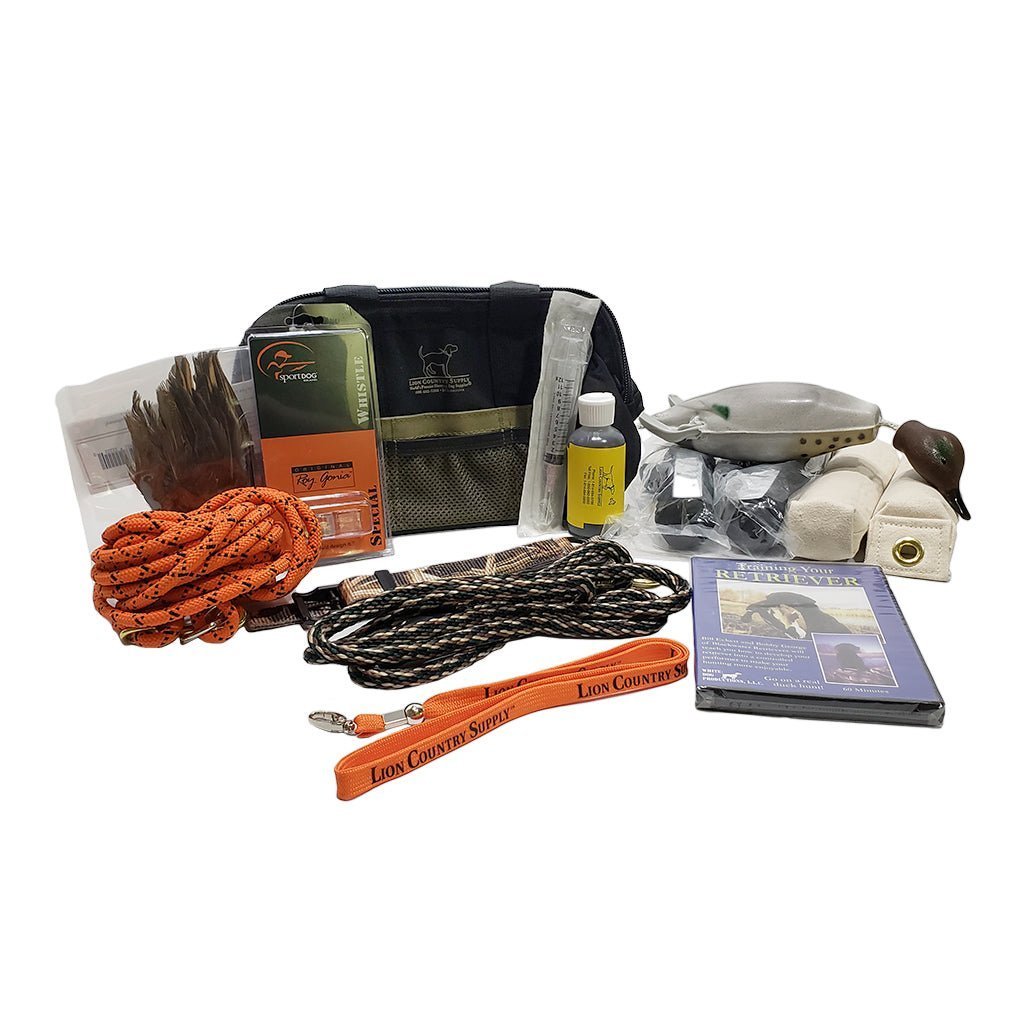

Bird Dog Training for Beginners
You have decided to train your bird dog. Fantastic! Here are some tips for beginners. Puppies! It's easy to fall in love with a pretty face. However, when training a bird dog, it makes good sense to start off with the appropriate puppy. Decide, before you even start, if you want a pointer or a retriever. Starting young...
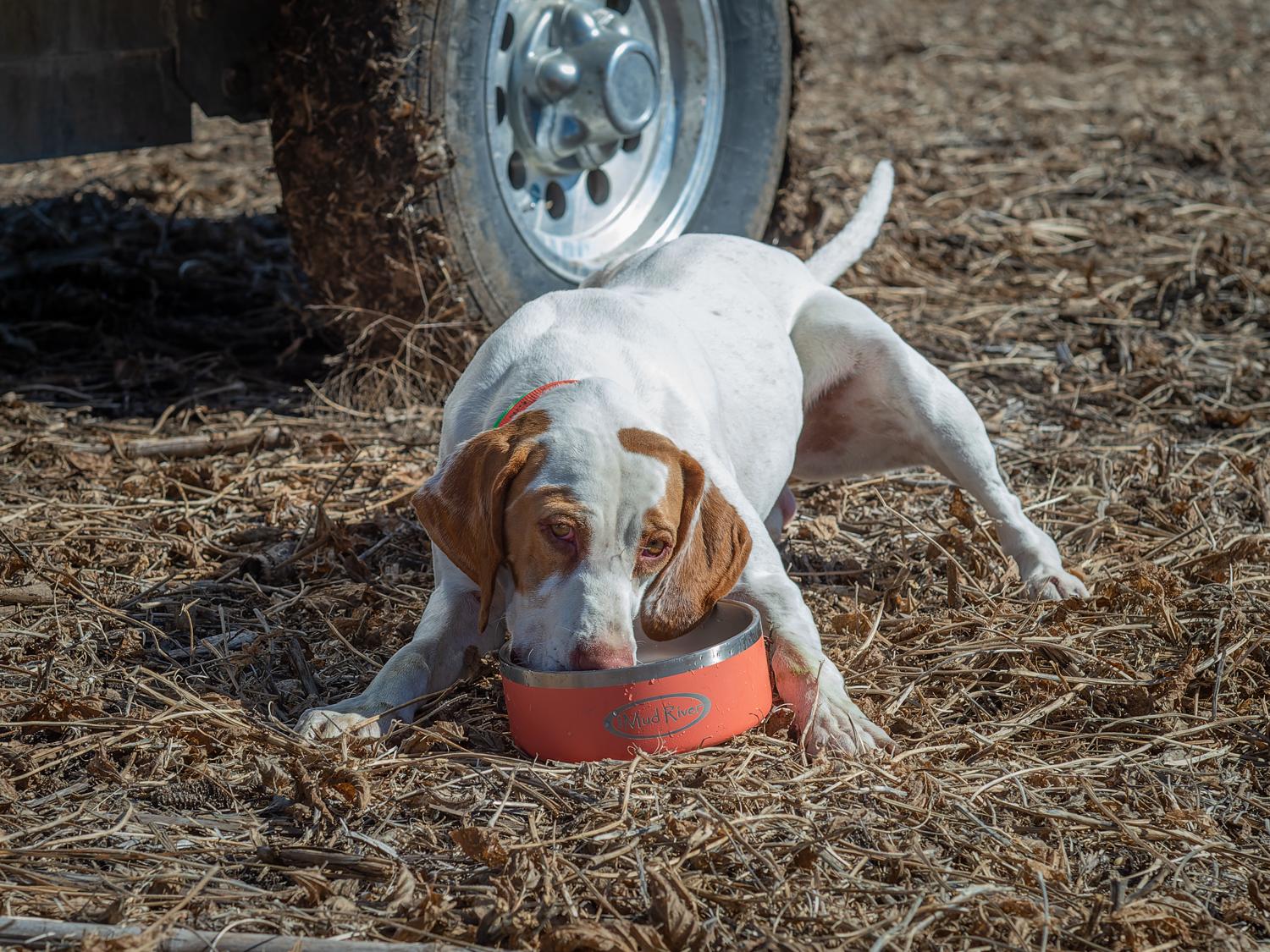

How to Keep Your Hunting Dog Safe in Warm Weather (And What to Pack in the Field)
Warm-weather hunts can be some of the best days in the field—but they also come with real risks for your dog. Unlike us, dogs don’t sweat to regulate body temperature. They rely on panting, and when they’re running hard, that system can get overwhelmed fast.

